Silver brings a clean, timeless glow to a jewelry collection, but it needs care suited to the complete piece—not only the metal. Plain sterling silver, plated designs, intentionally oxidised details, pearls, and gemstone settings cannot always be cleaned in the same way. This guide provides a safe routine for wearing, cleaning, storing, and professionally maintaining silver jewelry.
Silver jewelry care in five steps
- Identify the metal, finish, stones, treatments, and construction.
- Wipe the piece gently after wear.
- Keep it away from chlorine, harsh chemicals, and unnecessary moisture.
- Store clean, dry pieces separately in suitable closed packaging.
- Use the least aggressive cleaning method that achieves the result.
First identify what you are cleaning
Before applying water, polish, or cleaner, check the product description and care instructions. A “silver-looking” piece may be solid sterling silver, silver plated over another metal, rhodium plated, gold plated silver, or a mixed-material design. It may also include glue, string, enamel, pearls, porous stones, or deliberately darkened details.
Plain sterling silver
Usually the simplest category to polish, provided the piece has no vulnerable stones, adhesives, or intentional surface treatment.
Plated silver
Needs lighter handling because abrasive cleaning and repeated polishing can thin or remove the plated layer.
Oxidised silver
Contains deliberate dark areas that create contrast. Dips and broad polishing can remove the intended finish.
Silver with stones
Cleaning must follow the needs of the most sensitive component, including treatments, fillings, pearls, opal, turquoise, or adhesives.
Why sterling silver tarnishes
Silver reacts with sulfur-containing compounds and develops a thin surface film consisting mainly of silver sulfide. At first, the film may appear yellow, gold, brown, blue, or purple; heavier tarnish becomes grey or black. Humidity, pollution, perspiration, cosmetics, chemicals, and unsuitable storage materials can speed up the process.
Tarnish is normal and does not automatically mean a piece is fake. Preventing heavy buildup is preferable to repeated aggressive polishing because every mechanical cleaning removes a very small amount of surface material. Learn more in our guide to silver jewelry colour changes.
Daily habits that protect silver jewelry
- Put jewelry on last. Apply perfume, lotion, sunscreen, makeup, and hairspray first, then allow them to dry.
- Remove it for risky activities. Take silver off before swimming, showering, cleaning, sport, gardening, and work involving impact or abrasion.
- Avoid chlorine and bleach. These chemicals can damage silver alloys and some gemstones.
- Do not sleep in delicate pieces. Chains, prongs, and fine settings can catch, bend, or wear.
- Wipe after wear. Use a clean, soft, lint-free cloth to remove perspiration and product residue.
- Check settings and clasps. Stop wearing the piece if a stone moves, a prong catches, or the closure feels unreliable.
Does wearing silver often stop tarnish?
Not reliably. Gentle contact may keep some exposed areas bright, but sweat, cosmetics, humidity, and pollution can also accelerate tarnish. Regular wear is not a substitute for cleaning and correct storage.
How to clean plain sterling silver at home
For light dirt and residue
- Inspect the piece for loose stones, damage, hollow areas, and delicate attachments.
- Prepare lukewarm water with a small amount of mild soap.
- Clean gently using your fingers, a very soft cloth, or a soft brush reserved for jewelry.
- Rinse in a separate bowl or glass rather than directly over an open drain.
- Dry thoroughly with a soft, lint-free cloth and allow hidden areas to air-dry completely before storage.
For light tarnish
Use a purpose-made silver-polishing cloth and light pressure. Follow its instructions, work gradually, and avoid rubbing deliberately darkened details. A polishing cloth may leave residue on textured surfaces, so inspect the piece carefully.
For heavier tarnish
Use a silver cleaner only if the manufacturer confirms it is suitable for the entire item. Test cautiously in an inconspicuous area and follow the directions exactly. Valuable, antique, plated, intricate, or mixed-material pieces should be assessed professionally rather than subjected to increasingly aggressive home methods.
Cleaning silver with gemstones
A method that is acceptable for bare sterling silver may harm a gemstone, treatment, adhesive, or string. Warm water and mild soap are suitable for many durable coloured stones, but they are not a universal rule.
- Pearls and organic gems: keep them away from silver dips, acids, abrasives, and prolonged soaking.
- Turquoise and lapis lazuli: avoid steam, ultrasonic cleaning, harsh chemicals, and aggressive polishing.
- Opal: protect from hard knocks, extreme heat, and rapid temperature changes; do not soak doublets or triplets.
- Fracture-filled, dyed, or impregnated stones: use only methods approved for that treatment.
- Glued settings: soaking, heat, and solvents may weaken the adhesive.
- Unknown stones: use a soft dry or slightly damp cloth and request professional identification before deeper cleaning.
When in doubt, clean the visible metal carefully around the stone rather than immersing the entire piece.
Methods to avoid as universal advice
Baking soda paste
Baking soda is abrasive. Rubbing it on jewelry can create fine scratches and may damage plating, polished surfaces, soft stones, or intentional finishes.
Aluminium-foil bath
Electrochemical cleaning can alter oxidised details and may be unsuitable for gemstones, plating, adhesives, hollow construction, or mixed metals.
Toothpaste
It contains abrasives and additives designed for teeth, not jewelry. It can scratch metal and gems and become trapped in settings.
Unverified silver dips
Dips can act quickly but may remove desired patina or harm stones and finishes. They are not automatically ideal for intricate jewelry.
How to store silver jewelry properly
- Clean and dry it first. Storing perspiration and cosmetic residue against the surface encourages problems.
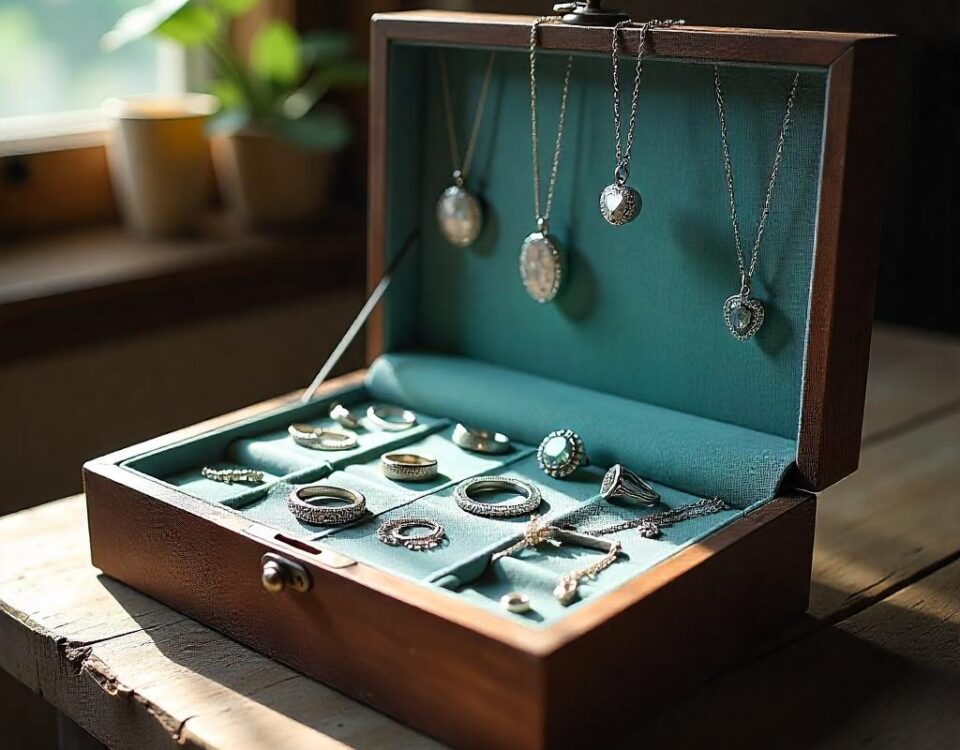
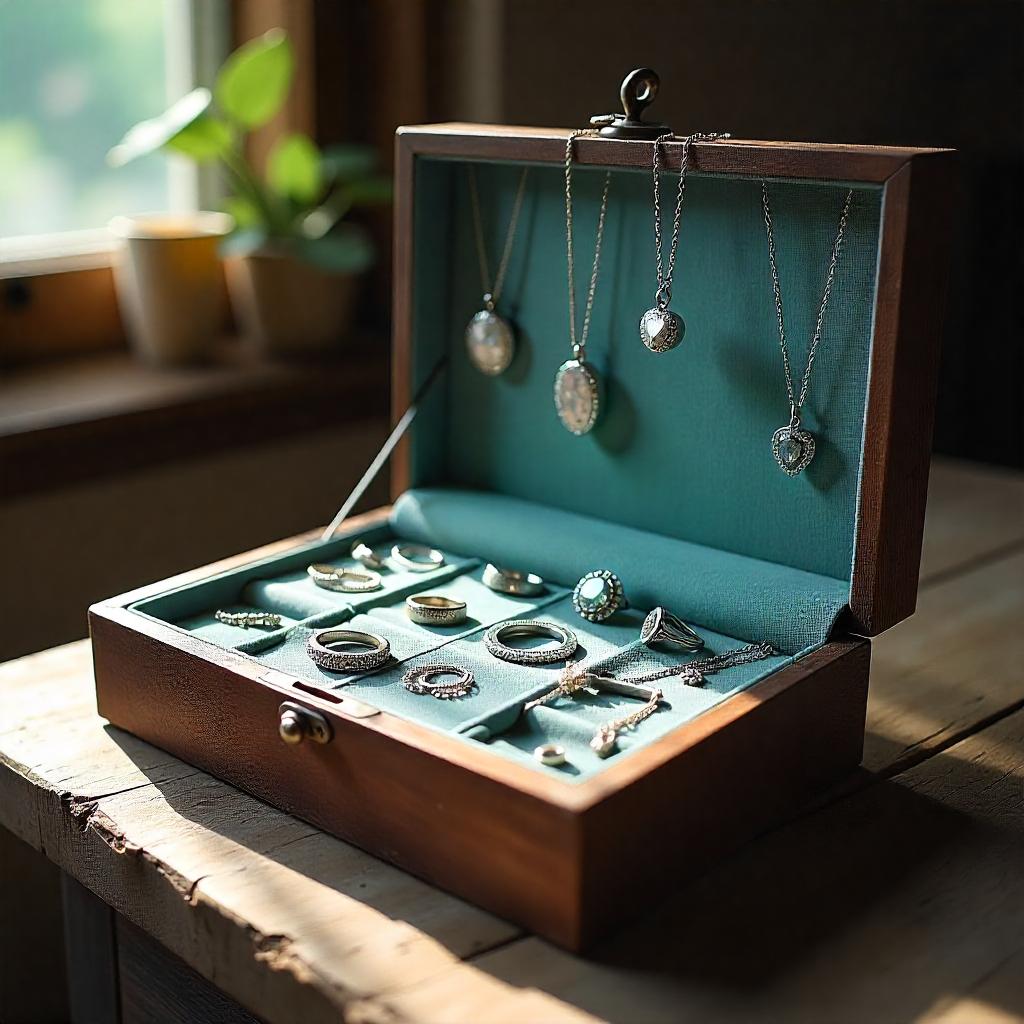
- Separate each piece. Individual pouches or compartments reduce scratching and tangled chains.
- Use suitable closed storage. Choose clean, dry containers made for jewelry rather than unknown papers, rubber bands, or fabrics that may release sulfur compounds.
- Add anti-tarnish protection. Use strips or tabs as directed and replace them when their effective period ends.
- Keep humidity low. Avoid bathrooms, damp basements, and direct temperature fluctuations.
- Close chains carefully. Fasten clasps and lay chains flat or hang them separately to reduce knots.
- Protect delicate stones. Do not allow harder jewelry to rub against softer gems or polished surfaces.
When professional jewelry care is the better choice
Professional cleaning should begin with inspection. A jeweller can identify loose stones, worn prongs, weakened clasps, cracks, thinning metal, plating loss, and previous repairs before selecting a method.
- Choose professional help for antique, valuable, heavily tarnished, or structurally damaged pieces.
- Ask before ultrasonic cleaning; vibration can worsen loose settings and is unsafe for various stones and treatments.
- Ask before steam cleaning; heat and pressure are not appropriate for every material.
- Consider replating when the surface layer has worn away; cleaning cannot restore missing plating.
- Request polishing only when necessary because it removes a small amount of metal.
- Have frequently worn stone-set jewelry inspected periodically according to its construction and use.
Silver jewelry care checklist
Do
- Wipe after wear
- Store clean and dry
- Use gentle pressure
- Follow gemstone-specific advice
- Inspect clasps and settings
Don’t
- Expose it to chlorine or bleach
- Scrub with rough materials
- Assume every stone can soak
- Polish away oxidised details
- Use ultrasonic cleaning blindly
Frequently asked questions
How often should silver jewelry be cleaned?
Wipe it after wear and clean only when residue or tarnish requires it. There is no universal schedule because environment, use, finish, and storage differ. Avoid unnecessary aggressive polishing.
Can I clean silver with dish soap?
A small amount of mild soap in lukewarm water is suitable for many plain sterling silver pieces and durable stones, but not every pearl, porous gem, treatment, adhesive, or antique construction. Verify the complete piece first.
Can I shower or swim in sterling silver?
Removing jewelry is safer. Soap and moisture leave residue, while chlorine, salt, and pool chemicals can accelerate damage to metals, finishes, and stones.
Can tarnished silver be restored?
Most ordinary tarnish can be reduced, but the correct method depends on the object. Worn plating, deep scratches, broken components, and chemical damage require repair or refinishing rather than simple cleaning.
Why does my silver tarnish quickly?
Humidity, sulfur-containing materials, pollution, perspiration, cosmetics, chemicals, and storage conditions all affect tarnish. Fast colour change does not alone prove that the piece is fake.
Care references: Canadian Conservation Institute: Silver—Care and Tarnish Removal and GIA tips for caring for jewelry.
Give your silver the care it deserves
Gentle daily habits, correct storage, and material-specific cleaning help preserve the finish and meaning of every piece.