Silver does more than add sparkle. Its cool, reflective colour works across styles, sterling silver is practical enough for regular wear, and a well-chosen piece can remain meaningful long after a trend disappears. But silver jewelry is sometimes promoted with exaggerated health and “energy” claims, so this guide focuses on five genuine reasons to wear it.
Five reasons to choose silver jewelry
- It is versatile and easy to style.
- Sterling silver balances precious-metal content with everyday durability.
- It can be maintained, repaired, and kept in use.
- Its reflective appearance creates a distinctive, timeless glow.
- It can carry personal meaning through wear, patina, and customisation.
1. Silver is exceptionally versatile
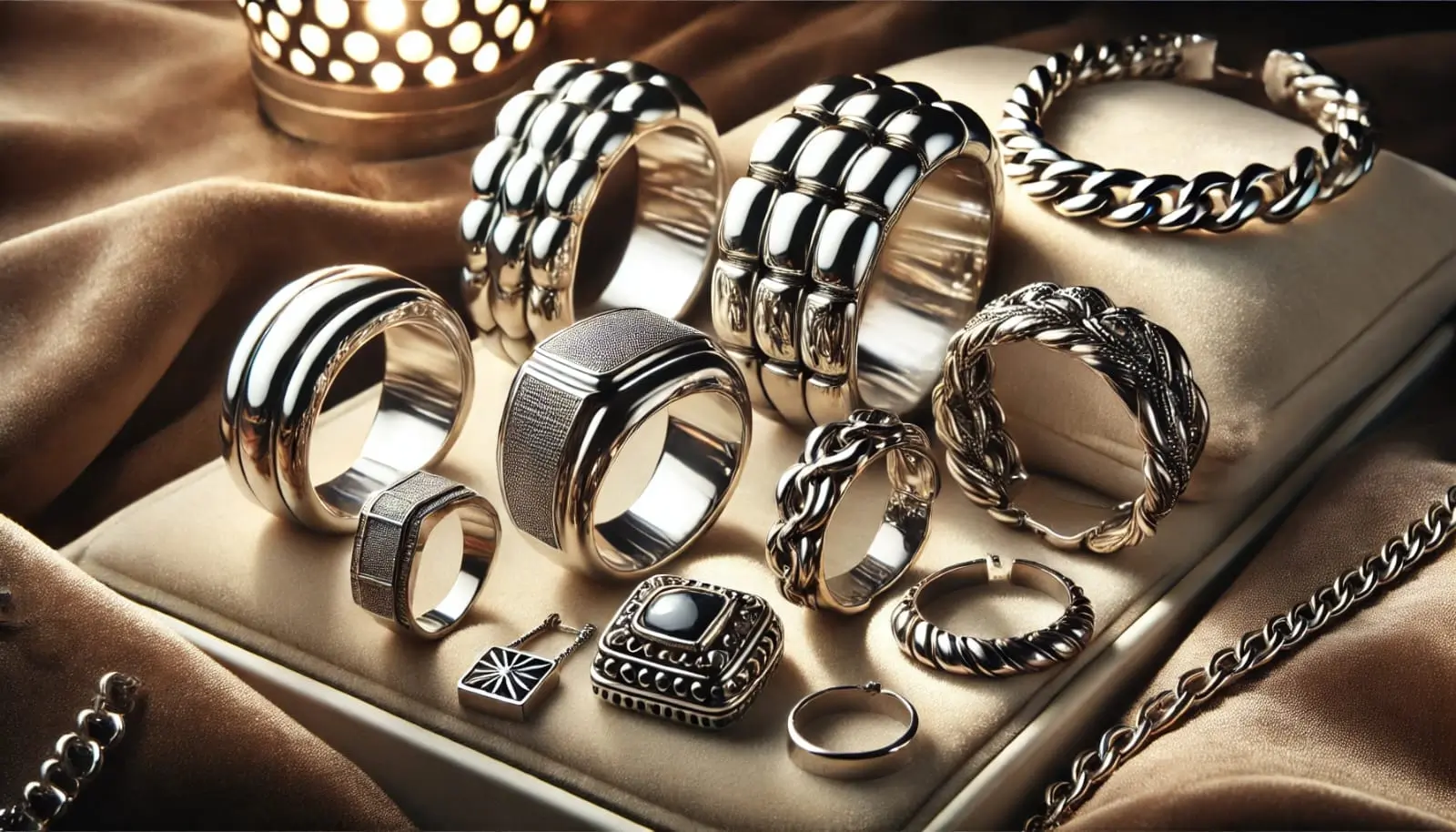
Silver’s neutral, cool-toned appearance complements a wide range of colours, textures, and dress codes. A simple chain or polished ring can add definition to an everyday outfit without dominating it, while a sculptural bracelet or stone-set pendant can become the focal point of an evening look.
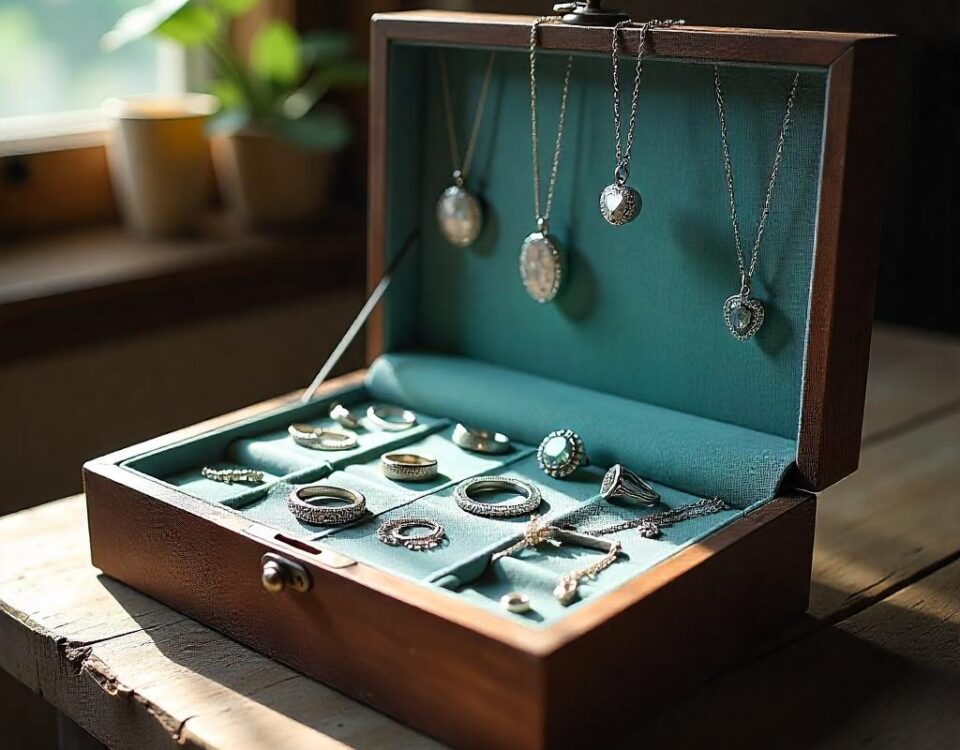
This flexibility also makes silver easy to build into a small, useful jewelry collection. The same earrings may work with office tailoring, denim, knitwear, and occasionwear. When a piece combines easily with clothes you already own, it is more likely to be worn regularly rather than saved indefinitely.
How to style silver
- Pair one fine necklace with an open neckline for a clean everyday look.
- Layer chains of different lengths while repeating one metal colour.
- Use a bold ring or bracelet to bring contrast to a monochrome outfit.
- Combine polished and textured silver for depth without adding extra colour.
- Mix silver with other metal tones by repeating each colour at least once.
2. Sterling silver is made for practical wear
Pure silver is relatively soft. Sterling silver addresses that limitation by combining 92.5% silver with 7.5% other metals, commonly including copper. The result keeps a high silver content while providing more strength for rings, bracelets, chains, clasps, and detailed settings.
Durability does not mean indestructibility. Thin bands can bend, chains can catch, and softer gemstones may scratch. Still, appropriate design and care allow quality sterling silver jewelry to remain wearable for years. For more detail about fineness and authenticity, read what 925 sterling silver means.
Choose construction, not only appearance
Look at how a clasp closes, whether prongs protect the stone, how smooth the edges feel, and whether the piece suits your daily routine. Good construction is part of lasting value.
3. Silver can be cared for, repaired, and recycled
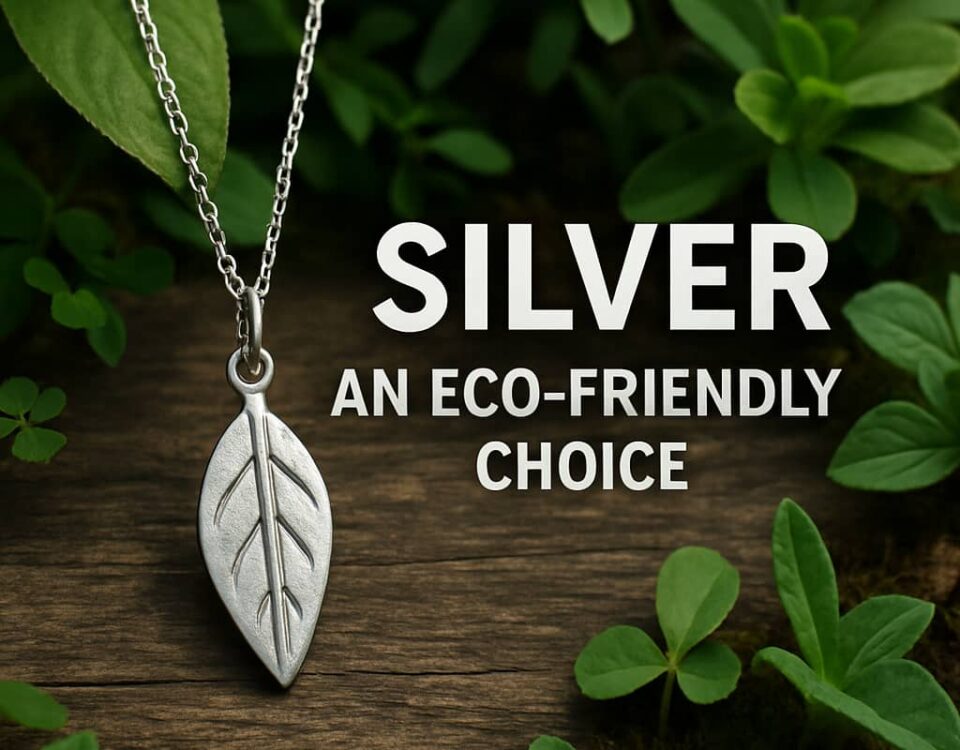
Silver is a valuable material that can be recovered, refined, and returned to use. Existing jewelry may also be polished, resized, repaired, redesigned, gifted, or passed down. These possibilities can keep a piece in circulation longer than inexpensive accessories that are difficult to repair.
That does not automatically make every silver item sustainable. Mining, refining, manufacturing, packaging, transport, and product life all contribute to environmental impact. “Recyclable” also does not mean a specific product contains recycled silver. Credible recycled-content or responsible-sourcing claims need supporting documentation.
The most practical action for a buyer is to choose intentionally and keep the jewelry in use. Buy a design that fits your wardrobe, store it properly, clean it with suitable methods, and repair it when possible. Our guide to silver jewelry as a more conscious choice explains these distinctions in greater detail.
4. Silver has a distinctive reflective beauty
Freshly polished silver reflects light strongly, producing the bright white lustre that makes the metal immediately recognisable. In jewelry, that reflective surface can brighten surrounding stones, emphasise engraving, and create contrast against dark fabrics or richly coloured gemstones.
Finish changes the effect. High polish produces crisp highlights, satin silver looks softer and quieter, hammered surfaces break reflections into small flashes, and oxidised recesses make patterns appear deeper. Two designs made from the same alloy can therefore express completely different moods.
Polished
Bright, clean, and highly reflective. Ideal when you want a crisp contemporary appearance.
Satin or matte
Soft and understated, with diffused reflections that suit minimalist and modern designs.
Hammered
Textured and lively, turning one reflection into a changing pattern of small highlights.
Oxidised detail
Darkened recesses create contrast that highlights Arabic engraving, motifs, and relief work.
5. Silver can become part of your story
Jewelry often matters because of what it represents: a person, milestone, belief, place, or promise. Silver offers a versatile surface for names, dates, Arabic or English engraving, meaningful symbols, and designs connected to family or culture.
Its appearance can also change with wear. Sterling silver may develop tarnish or patina as the surface reacts with its environment. Some people prefer a bright polish; others enjoy the depth that develops around engraving and texture. Neither approach is obligatory—the finish can be maintained according to the intended design.
Patina is not evidence of mystical energy, but it can be a visible record of use. A ring worn daily, a pendant given at an important moment, or a personalised bracelet may gain emotional value that far exceeds the material alone. Learn more in our guide to understanding silver jewelry colour changes.
Silver health claims: what is true and what is not?
Silver ions are used for antimicrobial purposes in certain specialised medical products, including some wound dressings. These products are engineered for specific clinical uses and are not equivalent to ordinary sterling silver jewelry.
Wearing a silver ring, necklace, or bracelet has not been shown to prevent infection, improve circulation, regulate body temperature, balance an “energy field”, or lift mood through conductivity. Jewelry may make someone feel confident or emotionally connected because they enjoy its appearance or meaning, but that personal response should not be presented as a medical effect.
True
Some purpose-designed silver-containing wound products use released silver ions for an antimicrobial effect under clinical guidance.
Not established
Ordinary silver jewelry does not provide demonstrated protection from illness or scientifically verified circulation, mood, or energy benefits.
Silver is also not an essential nutrient, and products such as colloidal silver should not be confused with wearable jewelry. The U.S. National Center for Complementary and Integrative Health states that colloidal silver is not safe or effective for treating disease and may cause serious side effects.
How to keep silver looking its best
- Apply perfume, cosmetics, and hairspray before putting jewelry on.
- Remove pieces before swimming, cleaning, sport, or work that may bend or scratch them.
- Store clean, dry pieces separately in a pouch or lined box.
- Use a suitable silver-polishing cloth for light tarnish.
- Follow special care instructions for pearls, gemstones, plating, and oxidised finishes.
- Ask a jeweller to inspect loose stones, worn clasps, or damaged chains.
See our complete silver jewelry care guide before using cleaning solutions on a valuable or delicate piece.
Frequently asked questions
Can wearing silver jewelry protect you from bacteria?
No reliable evidence shows that ordinary silver jewelry protects the wearer from infection. Medical silver dressings are specialised products used for particular wound-care situations and should not be compared with rings or necklaces.
Does silver improve circulation or body energy?
There is no established clinical evidence that wearing silver jewelry improves circulation, controls temperature, or balances an energy field. Enjoy silver for its design, craftsmanship, personal meaning, and material qualities.
Why does silver turn black?
Sterling silver can tarnish when components in the alloy react with sulfur-containing substances in the environment. Tarnish is a surface change and can usually be cleaned; it does not automatically mean the piece is fake.
Is silver jewelry suitable for everyday wear?
Many sterling silver pieces are suitable for regular wear when their construction matches the activity and they receive appropriate care. Remove delicate designs during activities that may expose them to impact, chemicals, or abrasion.
Health references: NCCIH guidance on silver health claims and NHS formulary guidance on specialist silver dressings.
Wear silver for reasons that last
Choose a piece for its beauty, craftsmanship, versatility, and meaning—then let it become part of your own story.