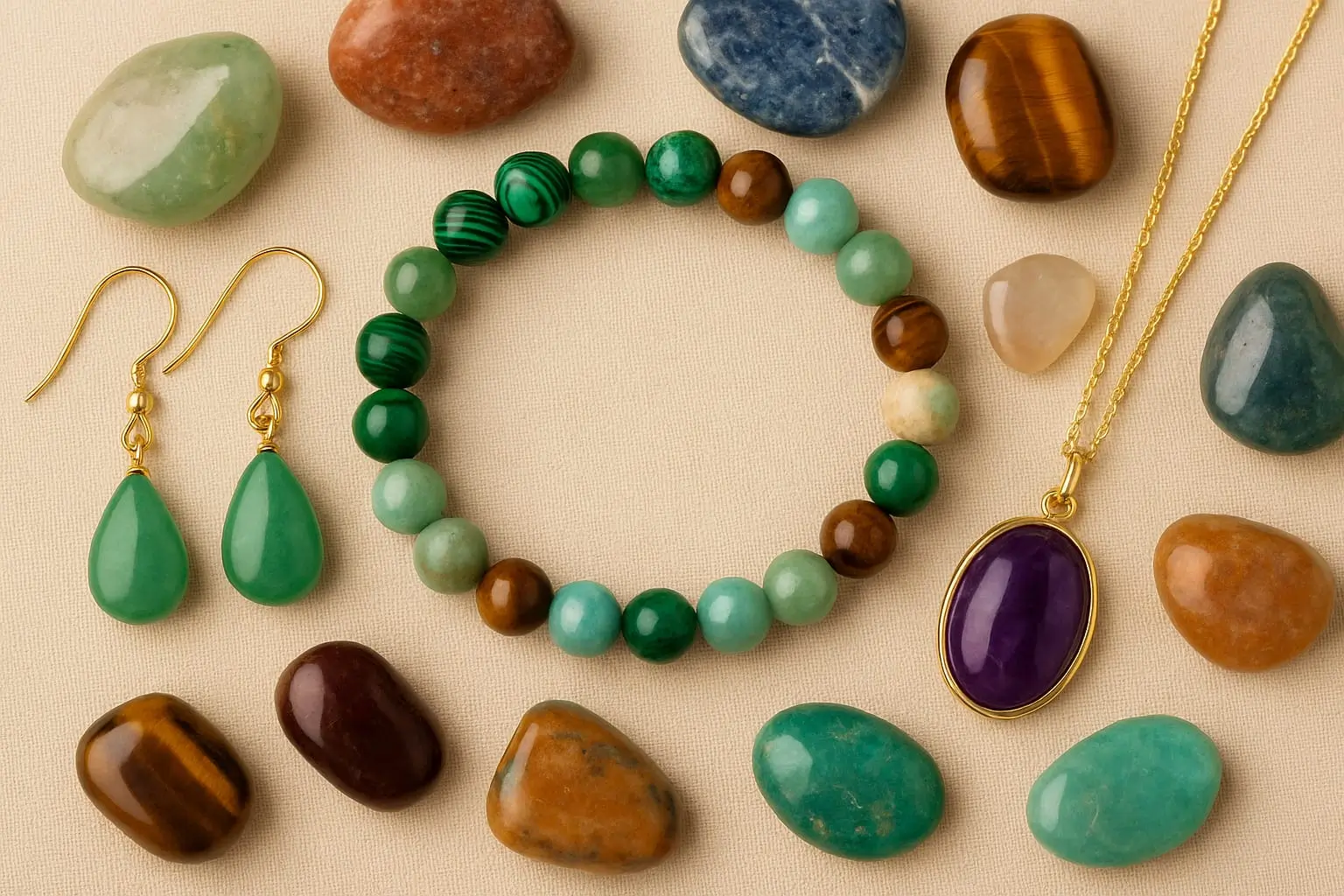
Natural stones bring colour, pattern, history, and individuality to silver jewelry. No two pieces of turquoise matrix look exactly alike, lapis may contain distinctive pyrite flecks, and precious opal can display shifting spectral colour. This guide introduces eight popular materials, their real gemological features, cultural associations, and practical care needs.
Before exploring their meanings
Gemstones have rich traditions and symbolism, but claims that they heal illness, treat anxiety, absorb negative energy, or determine personality are not established medical facts. In this article, “meaning” refers to cultural history and personal symbolism—not a therapeutic effect.
1. Turquoise: blue-green character and ancient history
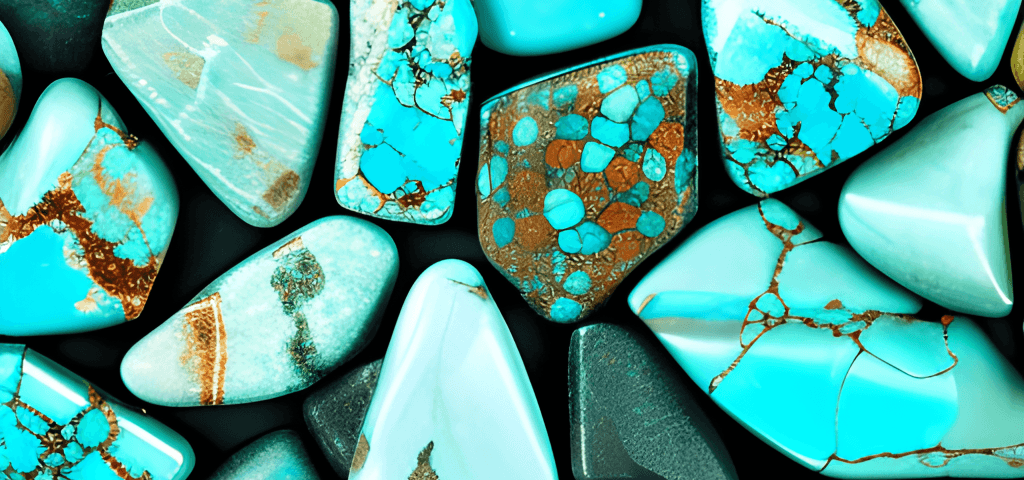
Appearance: Turquoise ranges from blue to greenish blue and may include brown or dark matrix patterns from the host rock. Its colour and natural variation make it especially expressive in silver settings.
History and symbolism: Turquoise has been treasured for thousands of years across several regions and cultures, including ancient Egypt and Indigenous cultures of the Americas. Protection, friendship, communication, and good fortune are common modern associations, but their meanings differ between traditions.
What to know: Natural, treated, reconstructed, and imitation turquoise all exist. Stabilisation can improve durability, while dye may change colour. Ask the seller what the material is and whether it has been treated.
Care: Turquoise can be affected by cosmetics, oils, heat, chemicals, and prolonged moisture. Put it on after perfume and clean it gently with a soft, slightly damp cloth.
2. Amethyst: violet quartz with enduring appeal
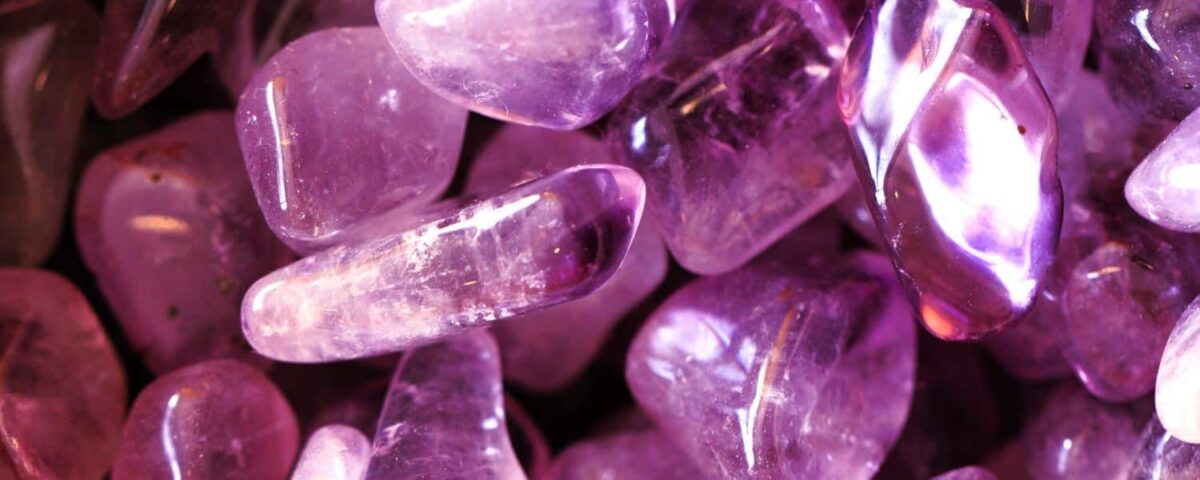
Appearance: Amethyst is the purple variety of quartz, ranging from pale lilac to saturated violet. Colour zoning may be visible, and cutting orientation influences the face-up colour.
History and symbolism: Amethyst appears in jewelry and decorative objects across many historical periods. It is often associated with clarity, calm, reflection, and spirituality. These are symbolic traditions rather than proven effects on mood or health.
What to know: Heat treatment is common in the gem trade and may alter amethyst’s colour. Synthetic quartz also exists, so a natural origin should not be assumed solely from appearance.
Care: Amethyst is suitable for many jewelry types, but prolonged strong heat or intense light may affect some stones. Use mild soapy water and avoid harsh chemicals or sudden temperature changes.
3. Rose quartz: soft colour and romantic symbolism
Appearance: Rose quartz is a pink variety of quartz. It is usually translucent rather than transparent and may show a soft, cloudy appearance that gives polished cabochons and beads a gentle glow.
History and symbolism: Pink naturally lends itself to associations with affection, compassion, tenderness, and self-respect. Rose quartz is frequently chosen for romantic gifts, but it should not be promoted as a treatment for emotional distress.
What to know: Colour intensity and transparency vary. Natural inclusions and cloudiness can be part of its character rather than defects, depending on the design.
Care: Clean with mild soapy water and a soft brush or cloth. Avoid harsh chemicals and prolonged strong light, which may affect colour in some material.
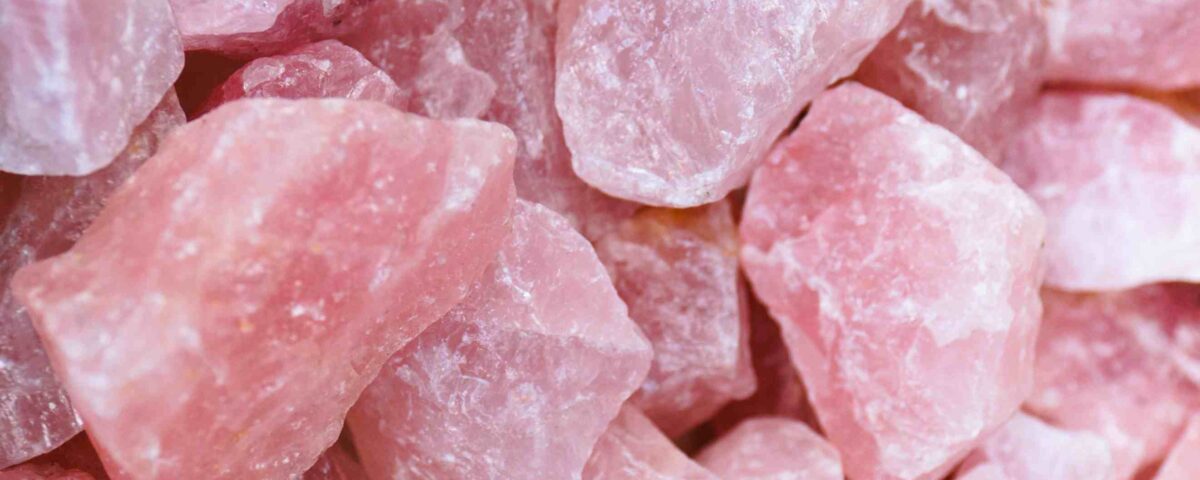
See how pink stone and silver are combined in the Blush Rose Bracelet.
4. Lapis lazuli: royal blue with golden pyrite
Appearance: Lapis lazuli is a rock composed of several minerals rather than a single mineral species. Fine material is known for deep blue colour and may include gold-coloured pyrite flecks and areas of pale calcite.
History and symbolism: Lapis has been valued for thousands of years and was historically carved, worn, and ground for blue pigment. Wisdom, truth, dignity, and expression are common associations.
What to know: Dyeing, impregnation, reconstruction, and imitation materials occur. A uniform intense blue appearance is not by itself proof of quality or natural colour.
Care: Lapis can be sensitive to chemicals, acids, heat, and abrasive cleaning. Avoid ultrasonic and steam cleaners unless a qualified professional confirms they are appropriate.
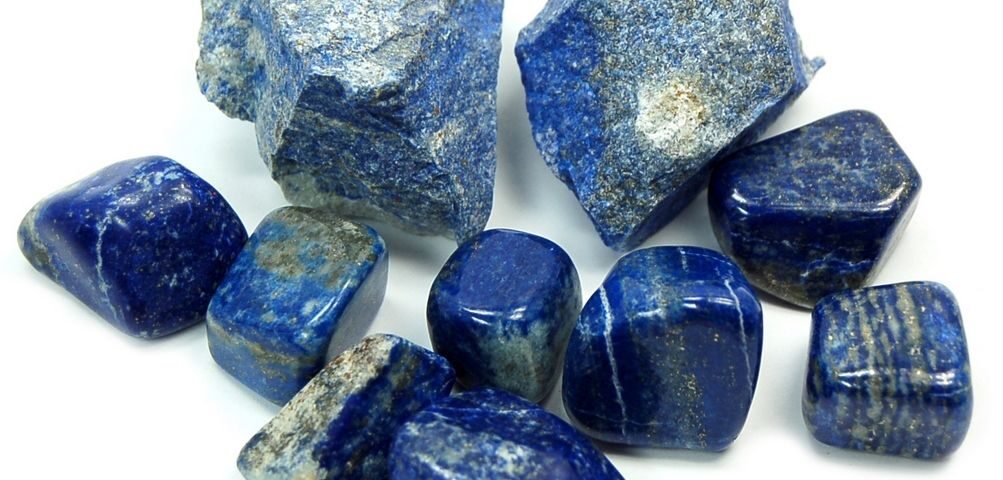
Explore the contrast between blue stone and silver in the Astra Bracelet Blue.
5. Onyx: graphic contrast and polished depth
Appearance: Onyx is a banded variety of chalcedony. In contemporary jewelry, the name is often associated with polished black material, although natural onyx can show contrasting bands. Black colour may be produced or enhanced through accepted treatments, so disclosure remains important.
History and symbolism: Onyx has appeared in carvings, seals, cameos, and jewelry across long periods of history. Strength, focus, protection, and composure are popular symbolic associations—not measurable effects.
What to know: Ask whether the stone is natural-colour onyx, treated chalcedony, another black gem, glass, or a composite. A product name alone may not communicate every treatment or material detail.
Care: Clean gently with mild soapy water. Protect polished surfaces from hard knocks and abrasive materials that may leave scratches.
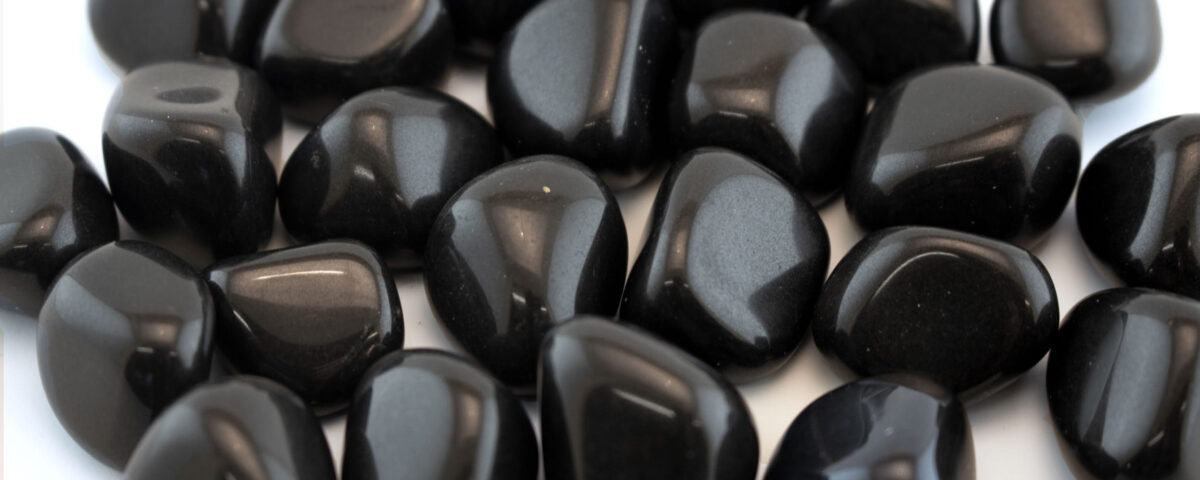
See onyx-inspired contrast in the Royal Crown Onyx Silver Rosary.
6. Aquamarine: sea-blue beryl
Appearance: Aquamarine is the blue to greenish-blue variety of beryl, the same mineral family that includes emerald. It can range from very pale blue to more saturated colour, with clarity often playing an important role in its appearance.
History and symbolism: Its name and colour have long connected aquamarine with the sea. Calm, clear communication, travel, and courage are traditional associations. It should not be presented as a treatment for anxiety or stress.
What to know: Heat treatment is commonly used to reduce greenish tones and produce a purer blue. Ask about treatment and compare colour in neutral lighting.
Care: Aquamarine is generally suitable for many jewelry styles, but inclusions can affect durability. Warm soapy water is a cautious cleaning choice; avoid sudden temperature changes and hard impact.
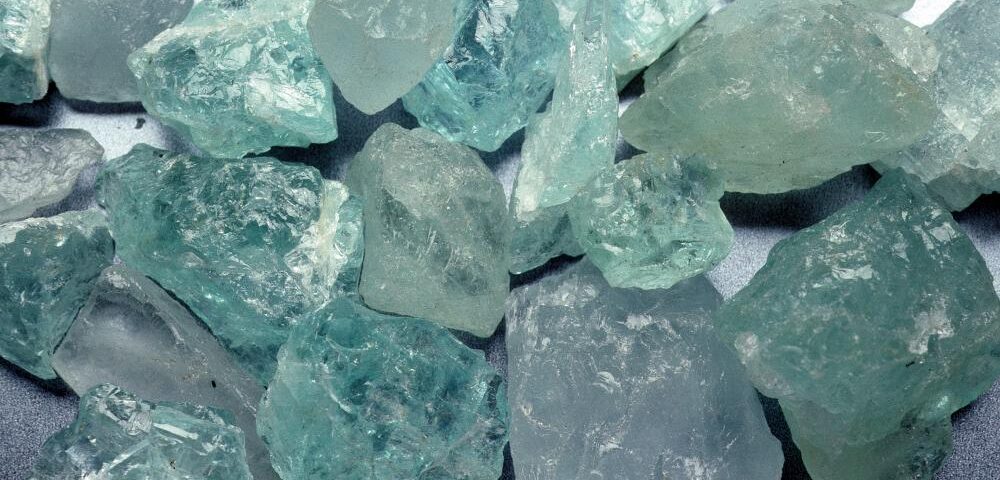
7. Topaz: more colours than blue
Appearance: Topaz occurs in a broad range of colours, including colourless, yellow, brown, pink, orange, and blue. Much blue topaz in the market obtains its colour through irradiation followed by heat treatment.
History and symbolism: Topaz has collected many meanings across different eras, including joy, generosity, success, and confidence. These associations can make it a thoughtful gift but do not predict luck or outcomes.
What to know: Topaz is relatively hard but has perfect cleavage, meaning a strong blow in the wrong direction can split it. Hardness alone does not make a gem resistant to every type of damage.
Care: Avoid impact, ultrasonic cleaning, steam, and rapid temperature change. Warm soapy water is generally the safest home-cleaning approach.
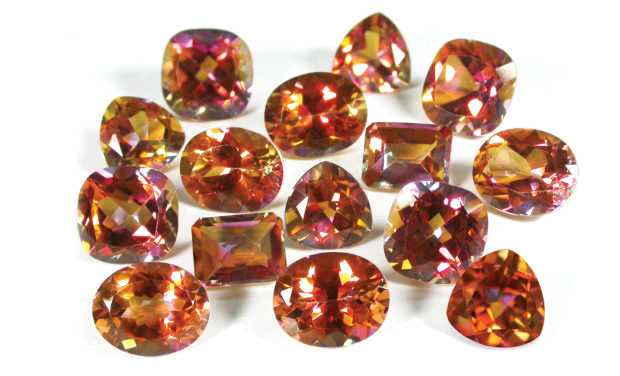
8. Opal: play-of-colour and individual pattern
Appearance: Precious opal can display play-of-colour: shifting spectral flashes caused by the interaction of light with its internal structure. Common opal does not show play-of-colour but may still have attractive body colour and pattern.
History and symbolism: Creativity, imagination, hope, and transformation are common cultural associations. An opal’s changing appearance makes each stone feel highly individual, but it does not produce a scientifically established emotional or spiritual effect.
What to know: Solid natural opal, treated opal, synthetic opal, and assembled stones such as doublets and triplets are all sold. Ask for a clear description because construction affects value and care.
Care: Opal needs thoughtful handling. Protect it from hard knocks, harsh chemicals, extreme heat, and rapid temperature changes. Doublets and triplets should not be soaked because moisture may affect the layers.
Image correction
The original article repeated the lapis lazuli image beneath the opal section. It has been intentionally omitted here rather than presenting the wrong stone. Add a verified opal image from the WordPress Media Library when available.
How to buy natural-stone silver jewelry
- Confirm the material. Ask whether it is natural, laboratory-grown, imitation, reconstructed, or assembled.
- Ask about treatment. Heating, dyeing, irradiation, impregnation, and stabilisation may be common or acceptable, but they should be disclosed.
- Check the metal description. A 925 stamp refers to silver fineness, not gemstone identity.
- Match durability to use. A protected pendant may suit a delicate material better than an exposed everyday ring.
- Inspect the setting. Prongs, bezels, drilled beads, and stringing should hold the stone securely without visible damage.
- Request care instructions. One cleaning method is not safe for every stone, treatment, or assembled product.
- Buy the stone you genuinely enjoy. Colour, pattern, comfort, and personal meaning matter more than unsupported promises.
Frequently asked questions
Do natural stones have healing powers?
There is no reliable medical evidence that wearing gemstones treats physical or mental health conditions. Their colours, traditions, and personal symbolism may still provide enjoyment or emotional significance.
Does “natural stone” mean untreated?
No. A stone can be natural in origin and still receive treatment to alter colour, clarity, or stability. Ask for treatment disclosure rather than assuming.
Which stones need the most careful cleaning?
Turquoise, lapis lazuli, and opal require particular caution, especially when treated or assembled. Avoid applying a universal cleaning solution to a mixed collection.
Can the stone colour change?
Some gems or treatments may be affected by heat, strong light, chemicals, oils, or moisture. Correct storage and product-specific care help preserve their appearance.
Gemological reference: GIA Gem Encyclopedia and GIA guidance on gemstone imitations.
Find a stone that speaks to your style
Explore silver jewelry with distinctive colours, patterns, and meaningful details—chosen for beauty rather than unsupported promises.
Share your favourite natural-stone look by tagging Elements on Instagram, TikTok, or Facebook.