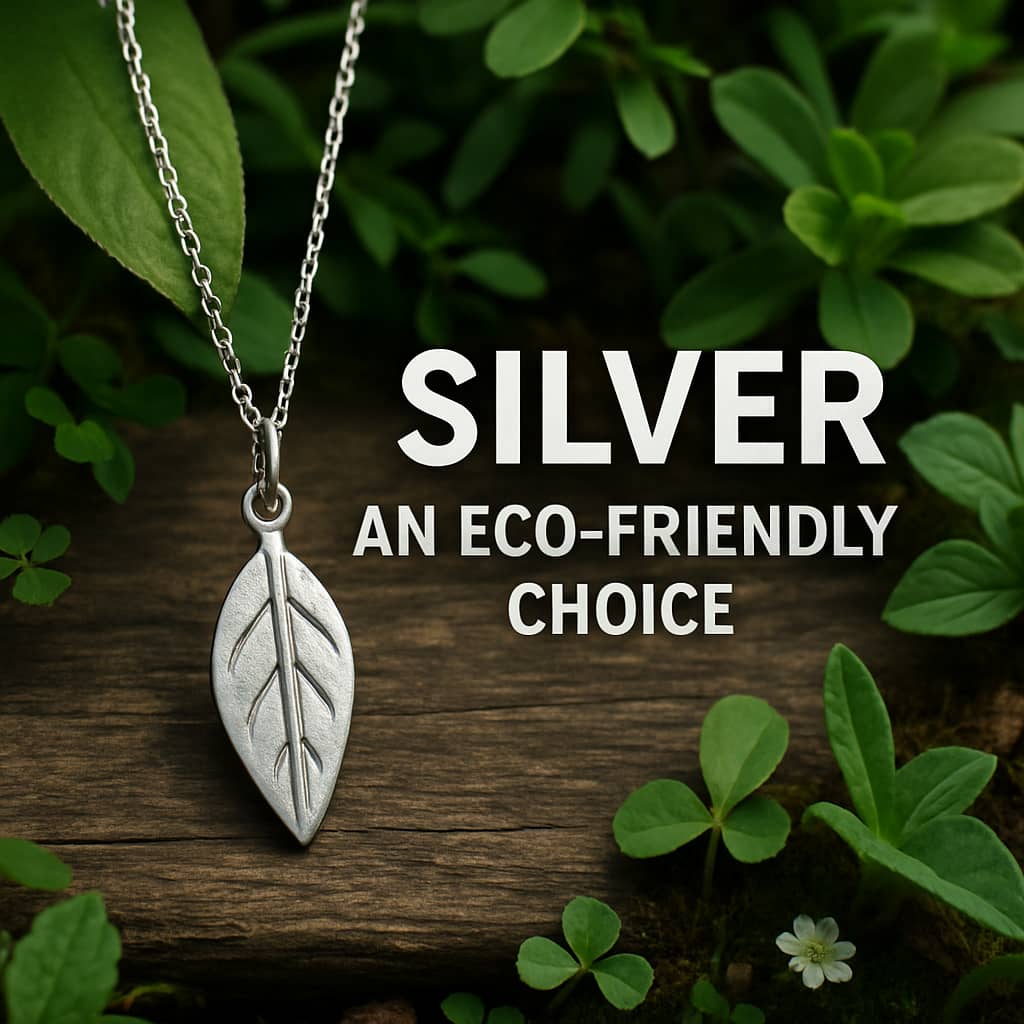
Trendy? Not always. Timeless? That is where silver excels. As more shoppers look beyond fast fashion, jewelry is increasingly judged not only by appearance but also by durability, repairability, sourcing, and the story behind the piece. Silver can support a more considered wardrobe—but “eco-friendly” is a broad claim, so choosing responsibly requires more than seeing the word silver on a label.
Is silver jewelry an eco-friendly choice?
Silver jewelry can be a more conscious choice when it is made to last, cared for, repaired, reused, and supported by credible sourcing information. Silver is recyclable, but that fact alone does not make every silver product sustainable. The material’s origin, manufacturing, packaging, transport, product lifetime, and end-of-life handling all matter.
Why silver can fit a more conscious wardrobe
Precious metals have a practical advantage: they retain material value and can be recovered, refined, and used again. Old jewelry, manufacturing offcuts, and other eligible silver-bearing materials may return to the supply chain instead of being discarded. A well-made sterling silver piece can also remain wearable for years and may be polished, repaired, resized, or passed on.
Those qualities make silver compatible with circular design, but the outcome depends on real decisions throughout the product’s life. A frequently worn piece that is maintained for many years generally represents a more thoughtful purchase than several short-lived accessories bought and discarded quickly.
Four qualities that can make silver jewelry a responsible choice
Recyclability
Silver can be recovered and refined for use in new products. This creates opportunities to keep valuable material in circulation, provided suitable collection, separation, and refining systems are used.
Durability
Sterling silver is designed for repeated wear. With appropriate care, a quality piece can remain part of a wardrobe for years rather than becoming a disposable accessory.
Repairability
Depending on its construction, silver jewelry may be polished, soldered, resized, restrung, or fitted with replacement components. Repair can extend its useful life and preserve personal meaning.
Timeless styling
Silver works across seasons and dress codes. A versatile piece that complements many outfits is more likely to be worn often instead of being replaced when a short-lived trend changes.
Recycled silver: what the claim should mean
“Recycled silver” should refer to silver recovered from eligible pre-consumer, post-consumer, or waste sources and returned to usable form. Credible claims depend on documentation and traceability—not simply on the fact that silver could theoretically be recycled.
The Responsible Jewellery Council’s Chain of Custody framework sets requirements for tracing responsibly sourced precious metals, including silver, through the supply chain. Its current guidance also emphasises accurate declarations about the type of recycled material. This distinction helps prevent vague claims and gives buyers better information.
A useful question to ask
If a product is advertised as recycled or responsibly sourced, ask what portion of the silver is recycled and what documentation supports the claim. “Recyclable”, “made with recycled silver”, and “100% recycled silver” do not mean the same thing.
Does recycled silver have a lower environmental impact?
Using recovered metal can reduce the need for newly extracted material and keep existing silver in circulation. However, the exact environmental benefit varies according to the source of the scrap, collection and refining processes, energy mix, transport, manufacturing, and the assumptions used in any comparison.
For that reason, broad promises such as “planet-friendly” or precise carbon reductions should be supported by product-specific evidence. A more reliable approach is to look for transparent material declarations, recognised certification where relevant, long product life, repair options, and responsible business practices.
Timeless elegance and everyday versatility
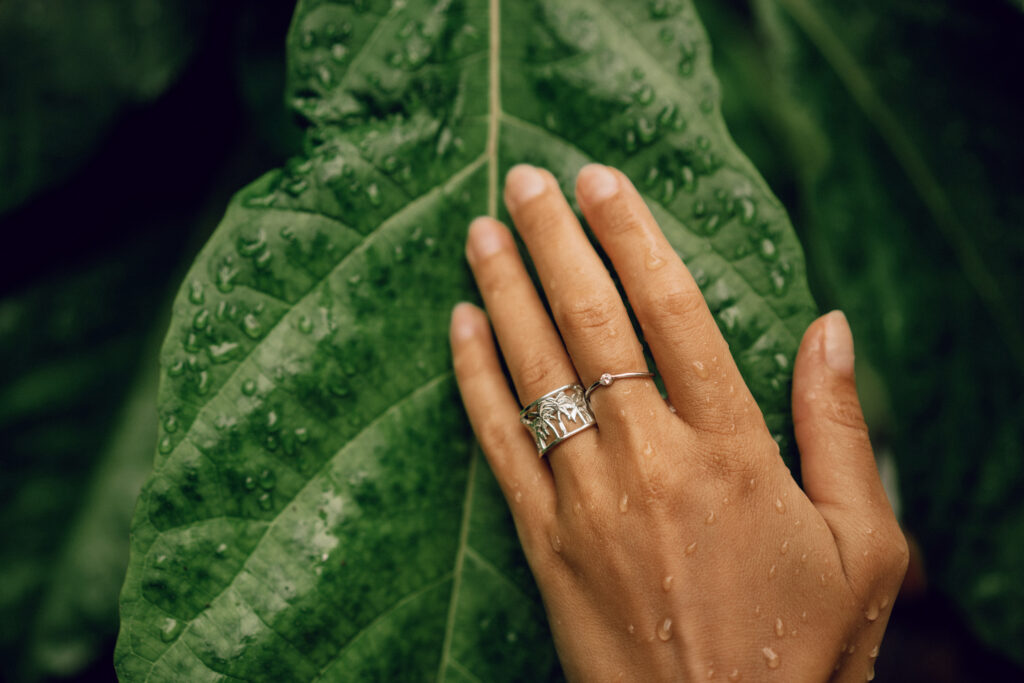
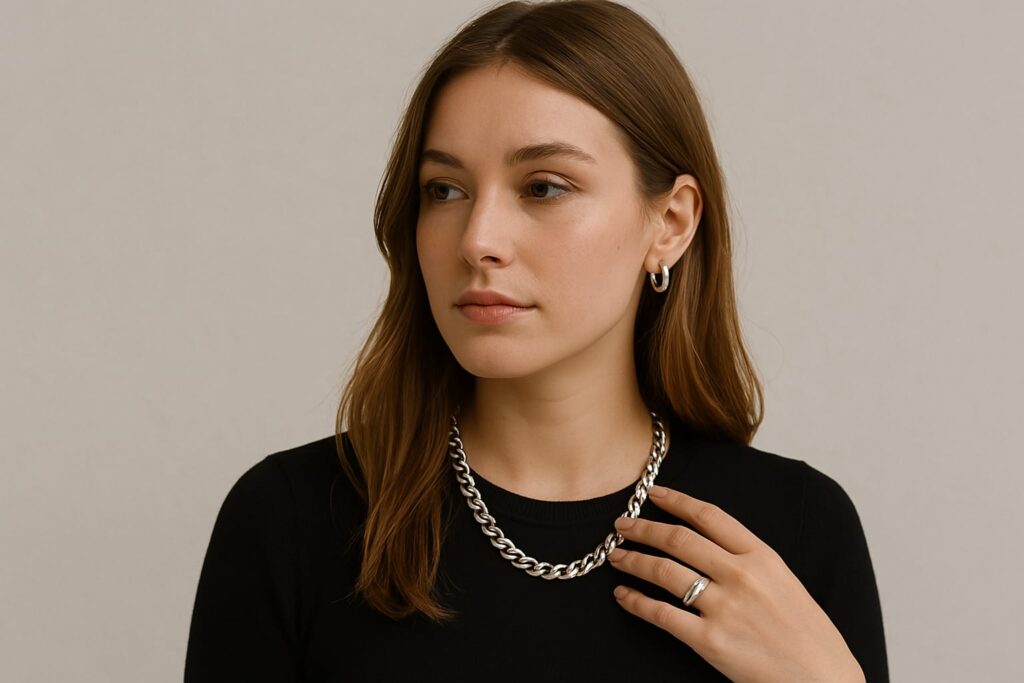
Silver’s soft, reflective tone works with both casual and formal outfits. A delicate silver necklace can become an everyday signature, while a detailed men’s silver ring can add personality without depending on a passing season.
Versatility matters because the most sustainable item in a wardrobe is often one that is genuinely used. Before buying, imagine at least three outfits and several occasions where you would wear the piece. If it complements your existing style, it is less likely to sit forgotten in a box.
Conscious jewelry is about more than material
A responsible purchase considers the whole piece. Silver may be the main material, but stones, plating, solder, clasps, packaging, and delivery also contribute to its impact. Labour conditions and supply-chain due diligence matter as well. “Eco-friendly” should never be treated as a shortcut that removes the need for these questions.
Questions worth asking before you buy
- Is the metal clearly identified, including its fineness?
- If recycled content is claimed, is the percentage or source documented?
- Does the seller provide useful care information?
- Can the piece be repaired, resized, or restrung if needed?
- Is the design versatile enough to be worn regularly?
- Are returns, warranties, and contact information transparent?
- Is packaging appropriately sized and reusable or recyclable where possible?
How to make your silver jewelry last longer
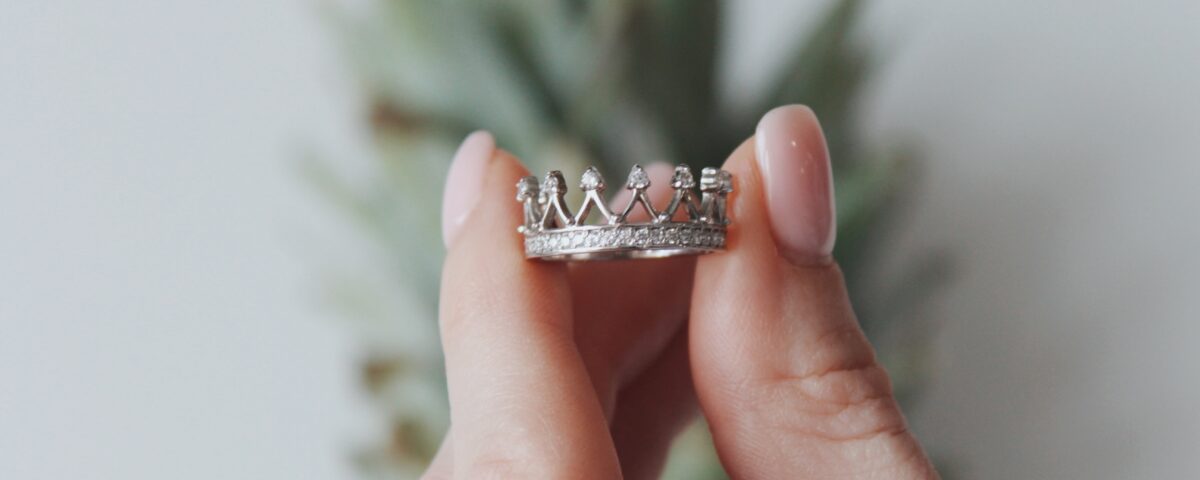
Keeping a piece in use is one of the most practical ways to support slower consumption. Sterling silver naturally tarnishes, but tarnish does not mean the jewelry has reached the end of its life.
- Wear it thoughtfully. Remove jewelry before swimming, heavy cleaning, sport, or activities that may bend or scratch it.
- Avoid harsh chemicals. Apply perfume, hairspray, and cosmetics before putting jewelry on.
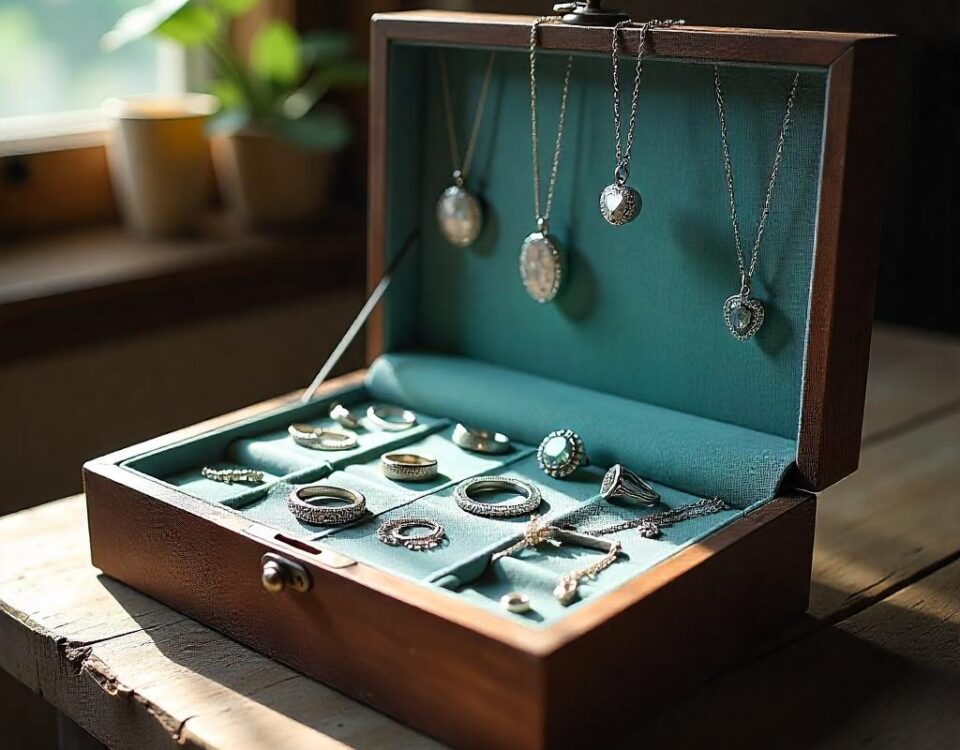
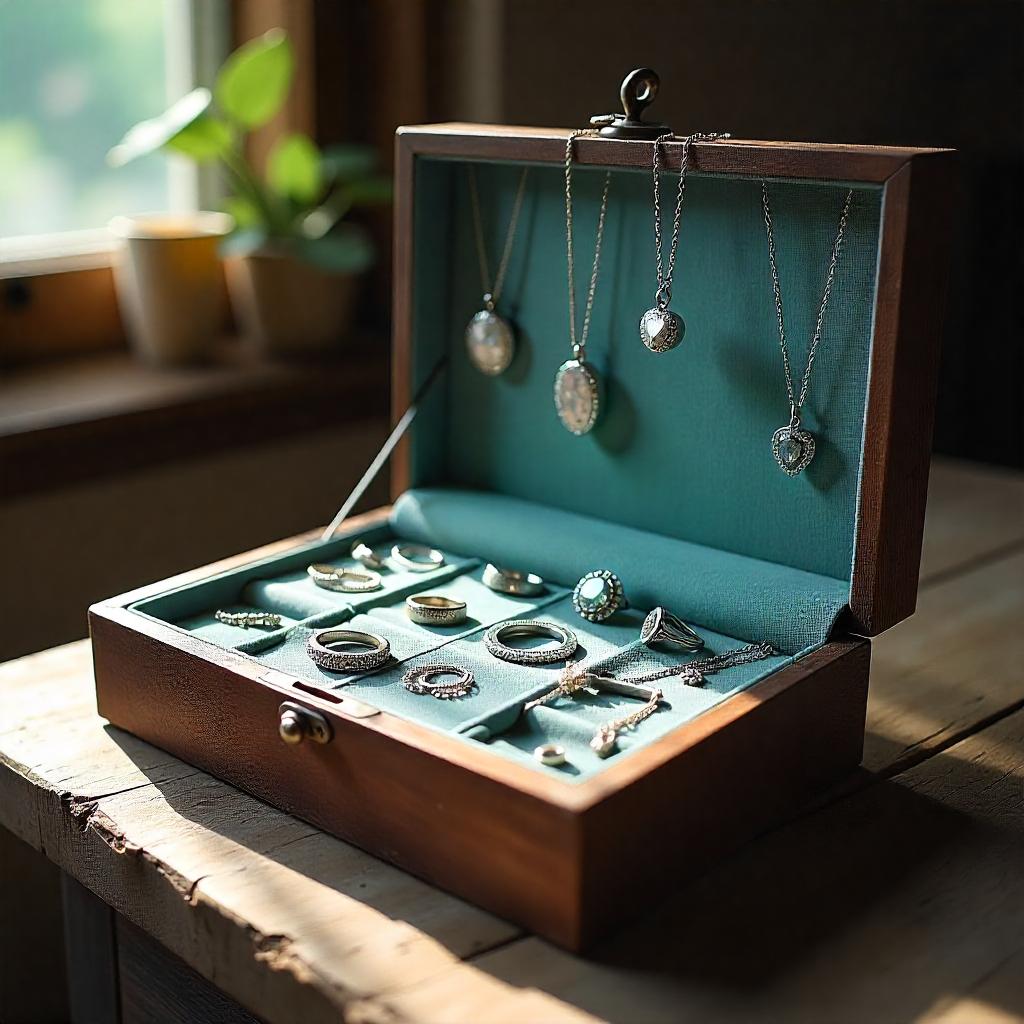
- Store pieces separately. Use a dry pouch or lined box to reduce scratching and slow exposure to humidity and pollutants.
- Clean gently. Use a suitable silver-polishing cloth and follow special instructions for stones, pearls, plating, or oxidised details.
- Repair rather than replace. Ask a jeweller about loose settings, broken clasps, damaged chains, resizing, or professional refinishing.
- Pass pieces on. Gifting, resale, redesign, and inheritance can extend the story and useful life of silver.
For more detailed maintenance advice, read our silver jewelry care guide.
Your role in a more circular jewelry story
Conscious shopping is not about finding a perfectly impact-free product; every physical item uses materials and energy. It is about making better-informed choices: buying fewer pieces, choosing designs with lasting value, asking for evidence behind environmental claims, maintaining what you own, and giving jewelry another life when your needs change.
Personalisation can also strengthen the relationship with a piece. A meaningful name, date, or message may turn jewelry into something worth keeping and passing on rather than treating as disposable fashion.

Frequently asked questions
Is all sterling silver recycled?
No. Sterling describes fineness—925 parts silver per 1,000—not the origin of the metal. Recycled content is a separate claim that should be supported by supply-chain information.
Can silver be recycled without losing quality?
Silver can be recovered, refined, and returned to suitable purity for new uses. The process still requires collection, sorting, energy, and specialist refining, so recyclable does not mean impact-free.
Is recycled silver visibly different?
Once properly refined and alloyed to the required fineness, recycled silver can meet the same material specification as silver from newly extracted sources. Appearance depends more on design, alloy, workmanship, and finish than on whether the silver was recovered.
What is the most sustainable jewelry choice?
There is no universal answer. A strong choice is a documented, well-made piece that suits your life, receives frequent wear, can be maintained or repaired, and remains in use for a long time.
Further reading: Responsible Jewellery Council Chain of Custody Standard and ISO guidance for self-declared environmental claims.
Choose silver you will keep wearing
Explore timeless silver jewelry and personalised gifts designed to become part of your story—not just a passing trend.
Show us how you style the pieces you love. Tag Elements on Instagram, TikTok, or Facebook.