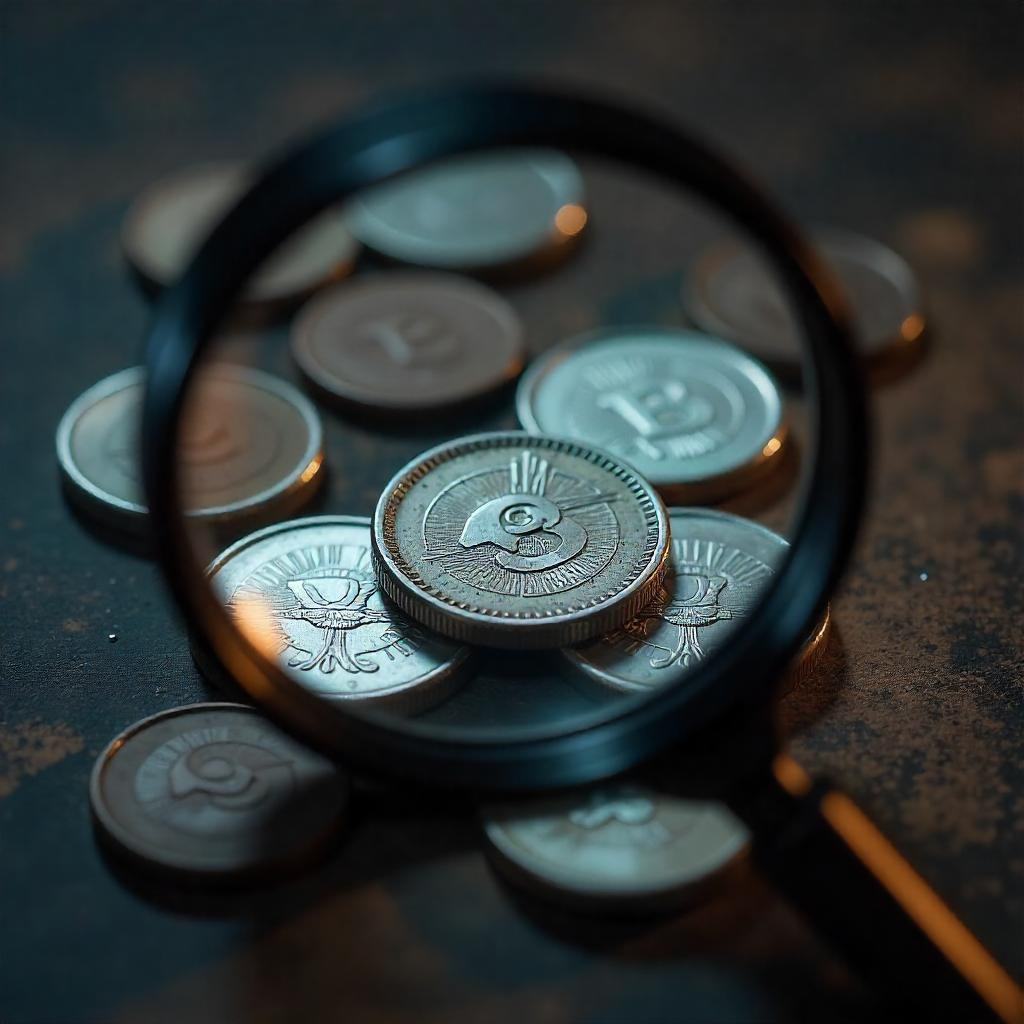
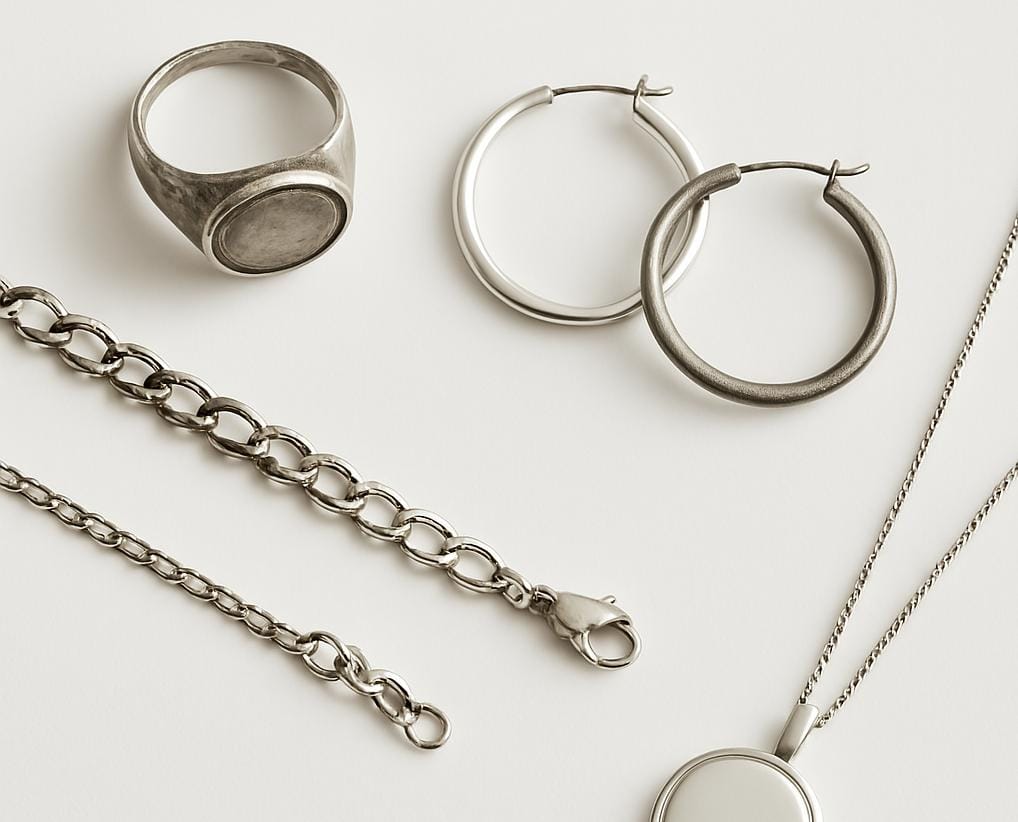
A favourite silver piece can look bright one week and yellow, brown, grey, or black the next. These colour changes are usually surface reactions—not proof that the jewelry is fake or permanently damaged. Understanding tarnish, copper transfer, plating wear, and residue helps you choose the safest way to restore the finish.
Why does silver jewelry change colour?
Sterling silver can react with sulfur-containing compounds in the environment and form a thin layer of silver sulfide. When that layer is very thin, it may appear yellow, gold, brown, blue, or purple. As it becomes thicker, the surface looks grey or black. Moisture, pollution, cosmetics, chemicals, storage materials, and individual wear conditions can accelerate the process.
Tarnish, dirt, plating wear, or corrosion?
Not every colour change has the same cause, and that difference matters before cleaning.
Tarnish
A surface layer formed mainly through reaction with sulfur compounds. It may progress from pale yellow or brown tones to grey and black.
Residue
Soap, lotion, skin oils, cosmetics, and polishing compounds can create a dull or uneven film without chemically changing the silver beneath.
Plating wear
Rhodium, silver, or gold plating may wear through at high-contact areas, revealing a different-coloured layer or base metal underneath.
Copper compounds
The copper in sterling silver—or copper in a base-metal item—can react with moisture, salts, acids, or chlorine and contribute to green or blue-green marks.
Why does silver turn black?
Black tarnish is primarily silver sulfide. Sulfur-containing gases can come from air pollution and from nearby materials such as rubber, wool, some papers, adhesives, paints, and certain foods. Perspiration, humidity, and residues on the surface can create conditions that make tarnish develop more quickly.
The colour does not automatically indicate low-quality silver. Genuine sterling silver tarnishes, and the rate can vary dramatically between two storage locations or two people wearing similar pieces.
Why does silver look yellow, brown, gold, blue, or purple?
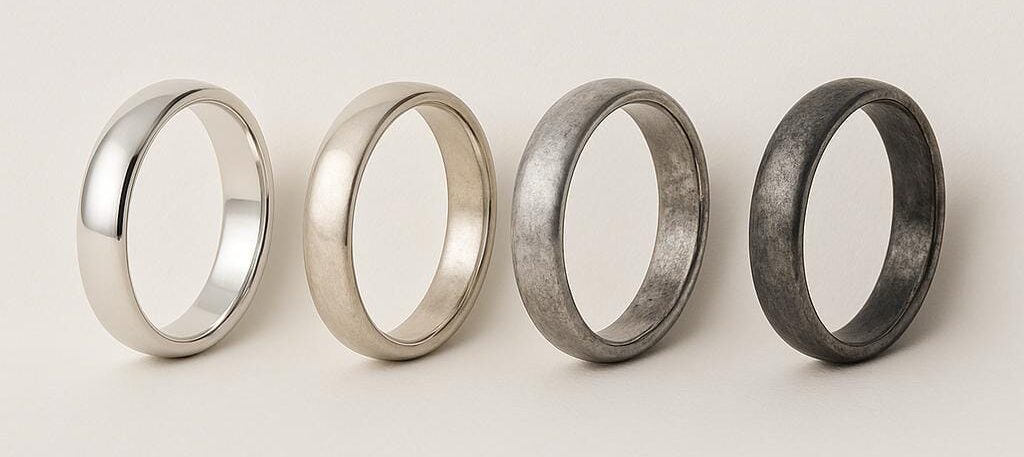
A very thin tarnish film can interact with light and create interference colours. Early tarnish may therefore look pale yellow, champagne, brown, blue, or purple before it becomes visibly dark. Slight differences in the film’s thickness can produce several colours on one surface.
However, a warm colour may also be caused by worn plating, transferred makeup, or another metal beneath the surface. If the change appears only on edges, raised details, or areas that rub against skin and clothing, plating wear is a possibility.
Can sterling silver turn skin green?
Elemental silver is not known for producing a green stain by itself, but sterling silver is an alloy containing 7.5% other metals, commonly copper. Copper can react with perspiration, salts, acids, lotions, or chlorine and form coloured compounds that transfer to the skin. The mark is generally temporary and does not by itself prove that the jewelry is fake.
Green staining may be more noticeable with copper-rich base-metal jewelry or when plating has worn through. If the skin becomes itchy, swollen, blistered, or painful rather than merely stained, stop wearing the piece and seek appropriate medical advice, as irritation or metal sensitivity may be involved.
Why does the same silver behave differently on different people?
Tarnish rate can change with humidity, perspiration composition, medication-related changes, cosmetics, hand products, occupation, climate, frequency of wear, and how the jewelry is stored. It is more accurate to talk about individual wearing conditions than to label someone’s skin simply “too acidic”.
Two rings worn by the same person may also behave differently because of alloy composition, surface finish, plating, construction, exposure, or previous cleaning. Even genuine 925 pieces are not guaranteed to tarnish at identical rates.
How to prevent silver from tarnishing quickly
- Keep it clean and dry. Wipe jewelry with a clean, soft cloth after wear to remove moisture and residue.
- Apply products first. Let perfume, lotion, hairspray, and cosmetics dry before putting jewelry on.
- Avoid chlorine and harsh chemicals. Remove silver before swimming, cleaning, or using bleach-based products.
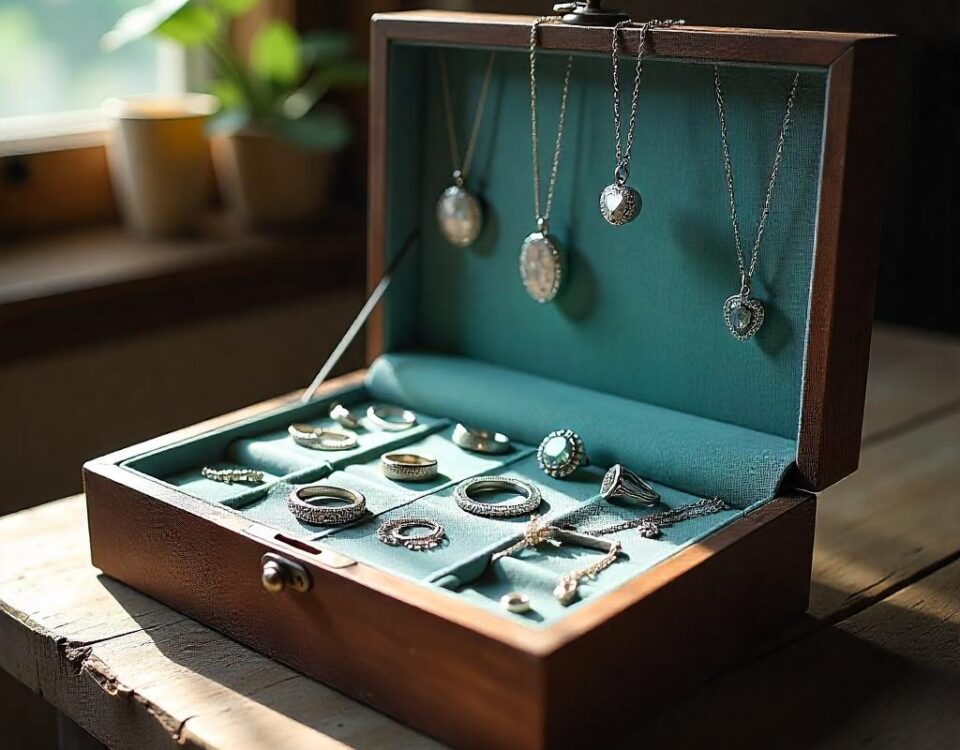
- Store pieces separately. Use closed, clean pouches or boxes that do not contain sulfur-releasing materials.
- Use anti-tarnish materials correctly. Replace strips or tabs according to the manufacturer’s instructions.
- Control humidity. Keep jewelry away from bathrooms and other damp storage areas.
- Inspect it regularly. Early light tarnish usually requires less aggressive intervention than a heavy black layer.
Does wearing silver prevent tarnish?
Regular wear may keep some smooth surfaces bright through gentle contact, but perspiration, cosmetics, humidity, and pollution may also accelerate tarnish. Wearing jewelry often is not a universal prevention method.
The safest way to clean tarnished silver
Before cleaning, identify whether the piece is solid sterling silver, silver plated, rhodium plated, intentionally oxidised, antique, hollow, or set with gemstones. The safest method depends on the complete object—not only the silver.
For plain, solid sterling silver
- Start with a purpose-made silver-polishing cloth and light pressure.
- Follow the product’s directions and work gradually rather than trying to remove everything at once.
- If using a commercial cleaner, confirm that it is suitable for sterling silver and every attached material.
- Rinse only when the cleaning method specifically requires it, then dry the piece completely.
For silver with gemstones or pearls
Many stones, treatments, adhesives, and organic gems can be damaged by silver dips, acids, heat, soaking, steam, or ultrasonic cleaning. Use product-specific care guidance. For many durable coloured stones, warm water with mild soap and a soft cloth or brush may be appropriate, but fragile, porous, filled, dyed, or assembled materials need greater caution.
For plated or intentionally oxidised silver
Every polishing action removes a tiny amount of surface material. Aggressive polishing can thin plating and erase a deliberate dark finish from recessed details. Clean these pieces gently and ask the seller or jeweller for the intended method.
Should you use baking soda, toothpaste, foil, or silver dip?
These methods are frequently shared online, but they are not universal solutions.
Baking soda paste
It is abrasive and can create fine scratches, alter polished finishes, damage plating, or affect soft stones. It should not be presented as the default method.
Toothpaste
Formulations contain abrasives and other additives not designed for jewelry. Scratching and residue are possible, so avoid it.
Foil bath
Electrochemical methods may change the appearance of intentionally oxidised areas and are unsuitable for many mixed-material pieces.
Chemical dip
Dips can act quickly but may be harsh, remove desired patina, or harm stones and finishes. Use only when the complete piece is compatible and instructions are followed.
When should a jeweller clean the piece?
Professional assessment is the safer option when jewelry is valuable, antique, heavily tarnished, plated, intentionally oxidised, structurally damaged, or set with unknown or delicate stones. A jeweller can also check loose settings, worn clasps, cracks, and thinning metal before cleaning makes an existing problem worse.
If a colour change does not respond to gentle cleaning, it may not be tarnish. Worn plating, fire scale, solder differences, chemical damage, or exposed base metal may require refinishing, replating, or repair rather than more polishing.
Frequently asked questions
Does tarnish mean my silver is fake?
No. Genuine sterling silver commonly tarnishes. A colour change alone cannot confirm or disprove metal fineness.
Can tarnish permanently damage silver?
Tarnish is usually a surface layer, but repeated aggressive removal takes away a small amount of metal. This is especially important with silver-plated, engraved, antique, or finely detailed objects.
Why did my silver change colour overnight?
A sudden change may follow exposure to chlorine, cleaning products, cosmetics, sulfur-rich materials, high humidity, or an unsuitable storage environment. Consider what changed immediately before the discolouration.
Can I shower with sterling silver?
Clean water alone may not immediately ruin plain sterling silver, but soaps, shampoos, moisture, and repeated exposure can leave residue or accelerate changes. Removing jewelry before showering is safer, particularly when it includes plating or gemstones.
Technical references: Canadian Conservation Institute guidance on silver tarnish and care and GIA jewelry-care guidance.
Keep your silver shining safely
Use gentle, material-specific care and ask for professional help when the finish, stones, or construction are uncertain.