Have you seen “925” stamped inside a ring or on a necklace clasp and wondered what it means? The number identifies the silver fineness claimed for the piece. This guide explains what 925 sterling silver is, why it is alloyed, what tarnish means, and how to assess silver without relying on misleading home-test myths.
What does 925 mean on jewelry?
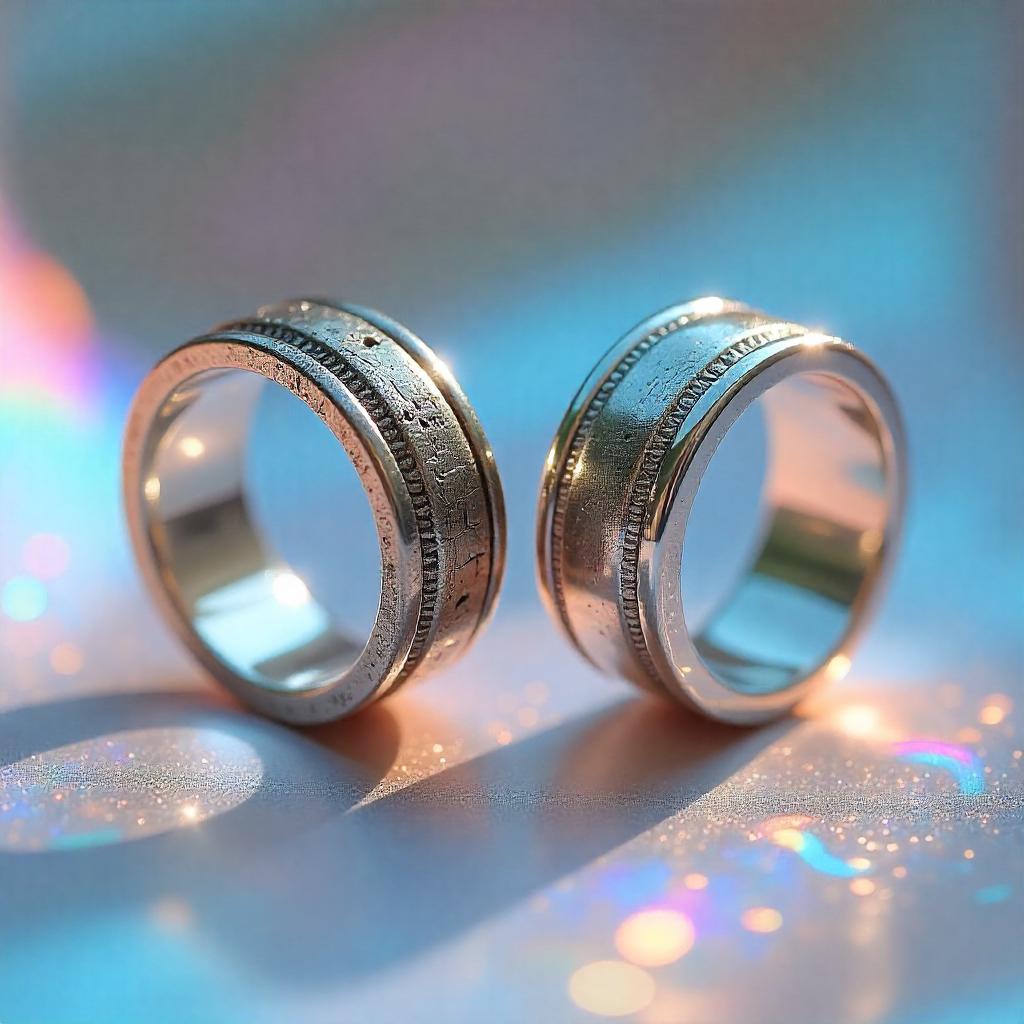
925 means the alloy contains at least 925 parts silver per 1,000—equivalent to 92.5% silver. The remaining 7.5% is made from other metals, commonly copper, to improve strength and everyday durability. “925 silver” and “sterling silver” therefore usually describe the same fineness standard.
Why is pure silver mixed with other metals?
Fine silver is relatively soft. In jewelry that must hold its shape, support stones, fasten securely, and withstand repeated wear, pure silver can be impractical. Alloying it with a small proportion of other metals makes it harder and more suitable for rings, bracelets, chains, clasps, and detailed designs.
This does not make sterling silver “fake” or low quality. The 925 composition is a recognised silver fineness, and the alloy is used precisely because it combines a high silver content with better performance.
Is a 925 stamp proof that silver is genuine?
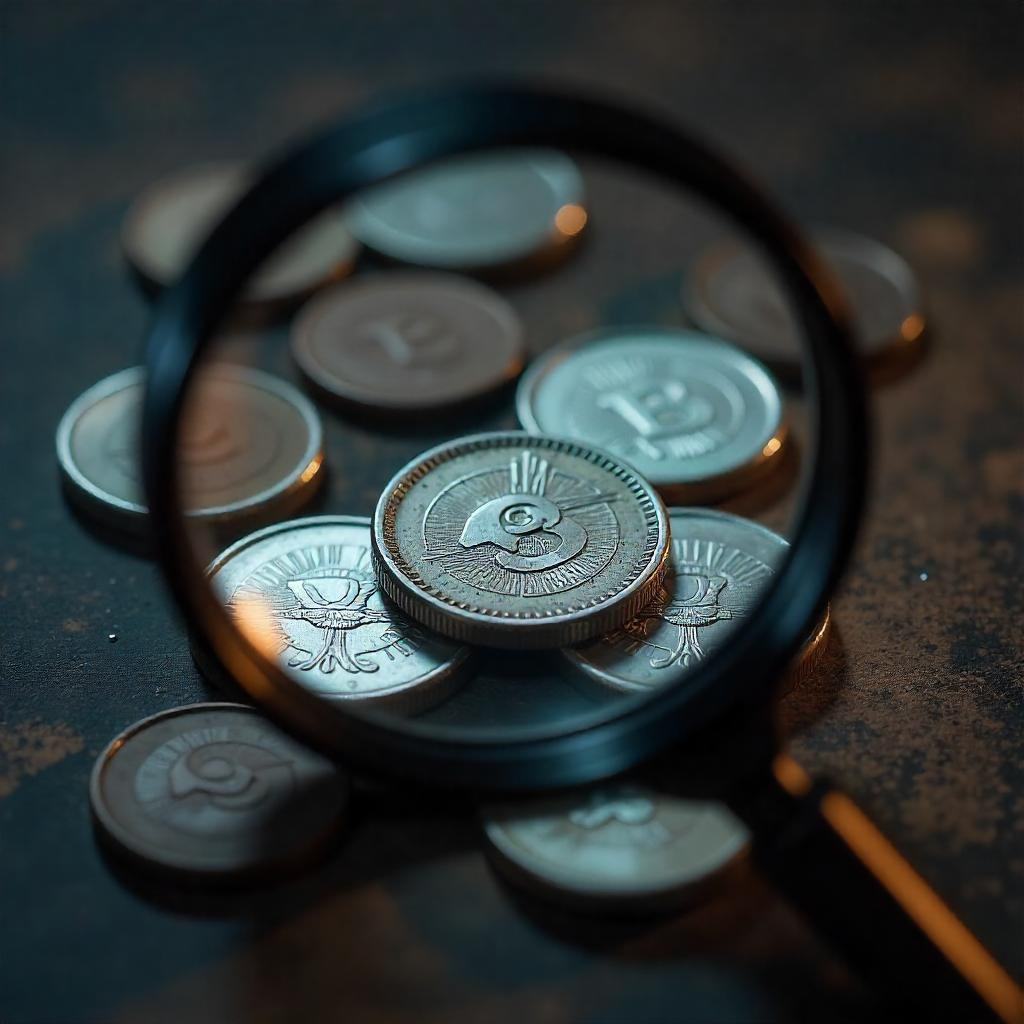
A 925 mark is useful, but the mark alone is not an independent guarantee. Stamps can be applied incorrectly or fraudulently, and small or delicate pieces may carry marks that are difficult to read. It is better to assess the mark together with the seller’s reputation, product description, invoice, construction quality, and—when value or authenticity is uncertain—professional testing.
A formal hallmark is more informative than a standalone fineness stamp. Hallmark systems vary by country, but a complete recognised hallmark can identify the fineness and the organisation that independently tested the item. Official consumer guidance describes hallmarking as protection for buyers because the metal has been independently verified.
How to check whether 925 silver may be real
No single home test proves that an item is sterling silver. Use the following checks as clues, not a final verdict.
1. Inspect the marks carefully
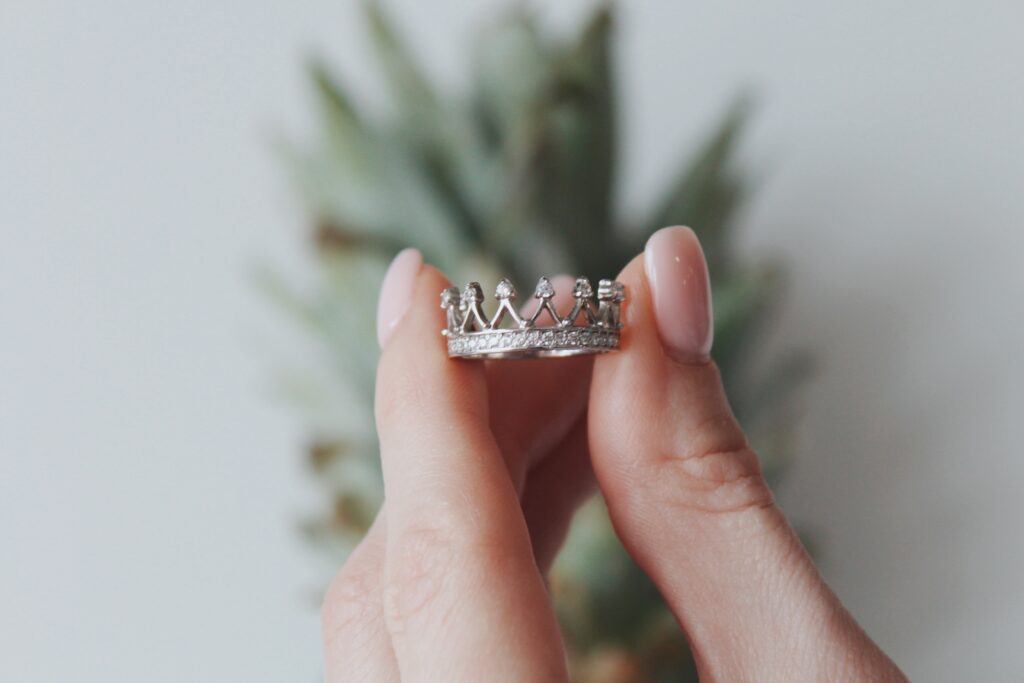
Look in discreet areas such as the inside of a ring, the back of a pendant, or near a clasp. Marks may include “925”, “Sterling”, “Ster”, or a recognised hallmark. A clear stamp supports the product description, but it should not be your only evidence.
2. Review the seller and description
A trustworthy listing should clearly state the metal and fineness rather than using vague terms such as “silver tone”. Check the seller’s contact information, return policy, product photographs, reviews, and whether the invoice describes the item as 925 sterling silver.
3. Use a magnet only as a screening check
Silver itself is not ferromagnetic, so strong attraction to an ordinary magnet may suggest that a large part contains iron or steel. However, no attraction does not prove an item is silver because many non-silver metals are also non-magnetic. Clasps and internal mechanisms may contain small functional components that react differently.
4. Do not rely on weight alone
Authentic jewelry can be hollow, slim, or intentionally lightweight. Weight depends on size and construction, so a light piece is not automatically fake and a heavy piece is not automatically genuine.
5. Request professional testing when necessary
For valuable, vintage, unmarked, or suspicious pieces, a reputable jeweller or precious-metal specialist is the best option. Depending on the item, professionals may use methods such as X-ray fluorescence, conductivity testing, or carefully controlled chemical testing. Avoid performing acid or scratch tests yourself because they can damage the surface and expose you to hazardous chemicals.
Important: home tests have limits
A magnet, polishing cloth, ice test, smell, sound, or visual inspection may provide clues, but none can independently confirm 92.5% silver content. Plated items and other alloys can imitate individual results.
Common myths about 925 sterling silver
Myth: “If it tarnishes, it is fake”
False. Sterling silver can tarnish as components in the alloy react with sulfur-containing substances in the environment. Darkening is normal and can usually be cleaned; it is not proof by itself of either authenticity or poor quality.
Myth: “If it is light, it is fake”
False. Genuine sterling silver designs may be hollow or deliberately delicate. The weight must be evaluated in relation to the item’s dimensions and construction.
Myth: “A 925 stamp guarantees authenticity”
Not always. A fineness stamp is useful information, but a fraudulent item can also be stamped. Independent hallmarking or professional analysis provides stronger evidence.
Myth: “Real silver never causes a reaction”
Not necessarily. Skin response can relate to alloying metals, plated components, cosmetics, moisture, or individual sensitivity. A reaction alone cannot determine the item’s silver fineness.
Why does sterling silver turn dark?
Tarnish is a surface reaction, not rust. Exposure to air pollutants, sulfur compounds, humidity, perspiration, cosmetics, perfumes, household chemicals, and some storage materials can accelerate it. The speed varies according to the environment, the alloy, and how often the piece is worn.
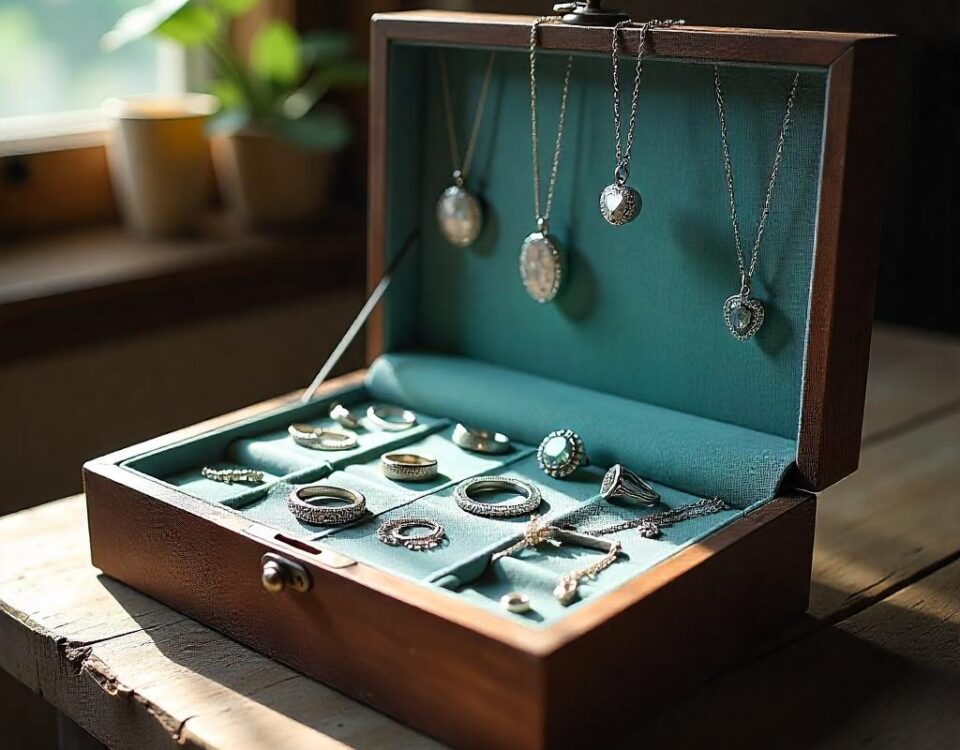
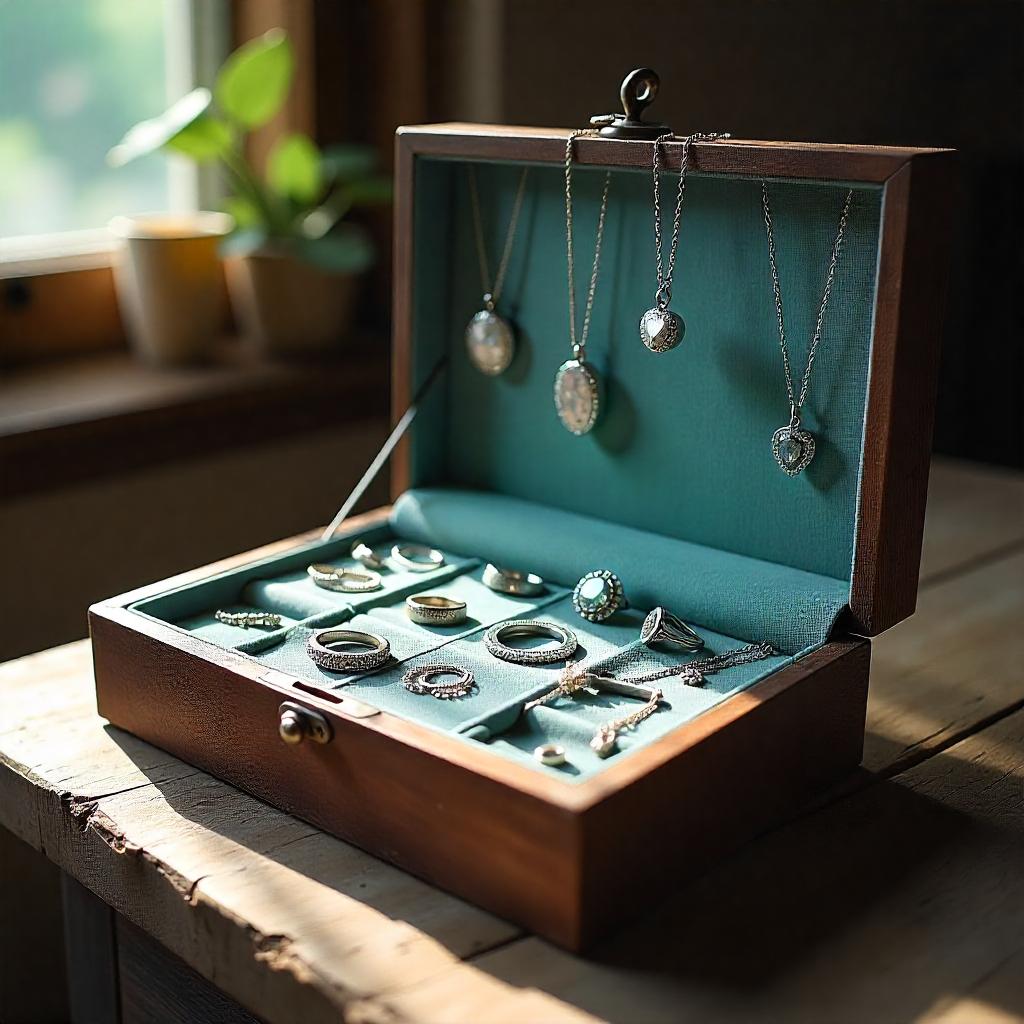
A soft silver-polishing cloth can remove light tarnish. Store clean, dry pieces separately in a closed pouch or box and avoid direct contact with perfume, chlorine, and harsh cleaning products. For gemstones, oxidised finishes, pearls, or delicate settings, follow product-specific care instructions or ask a professional before cleaning.
How to buy 925 sterling silver with confidence
- Read the complete metal description. Confirm that it says 925 sterling silver, not merely silver-coloured or silver plated.
- Check the stamp or hallmark. Understand that a standalone 925 mark is a clue, while an independently verified hallmark provides stronger assurance where applicable.
- Buy from an identifiable seller. Look for clear contact details, transparent policies, and consistent product information.
- Keep your receipt. The invoice should record what the metal was represented to be.
- Ask questions. Confirm whether the entire piece is sterling silver, whether any areas are plated, and whether components use other materials.
- Use professional verification for high-value purchases. This is especially important for vintage or unmarked jewelry.
Selected sterling silver pieces
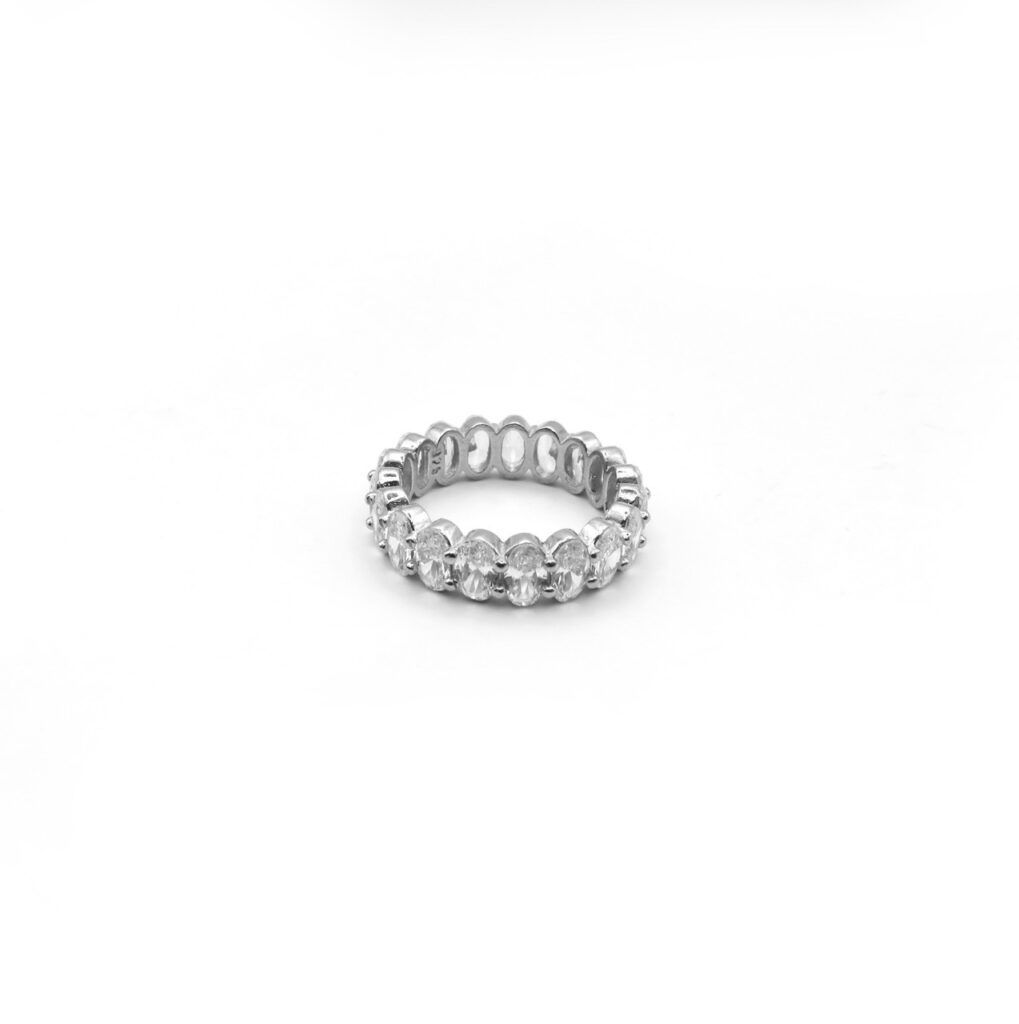
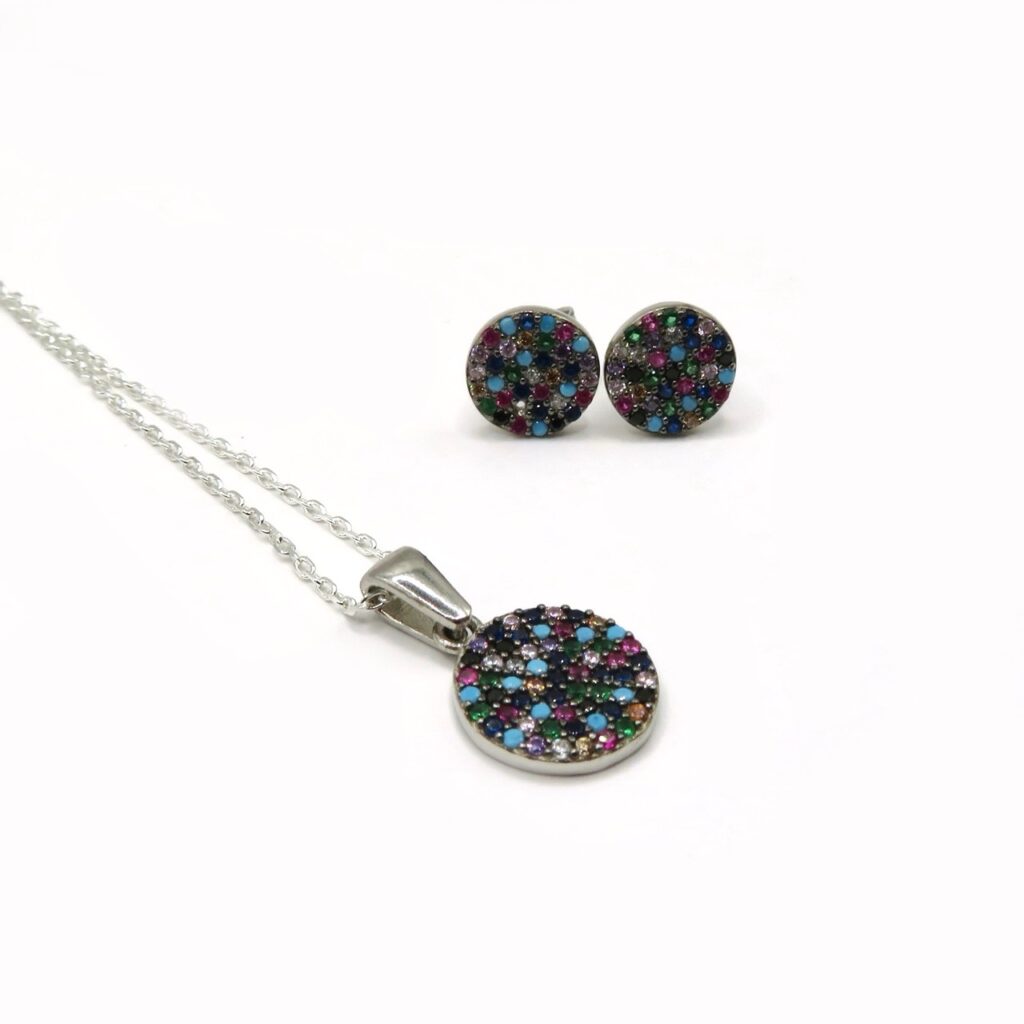
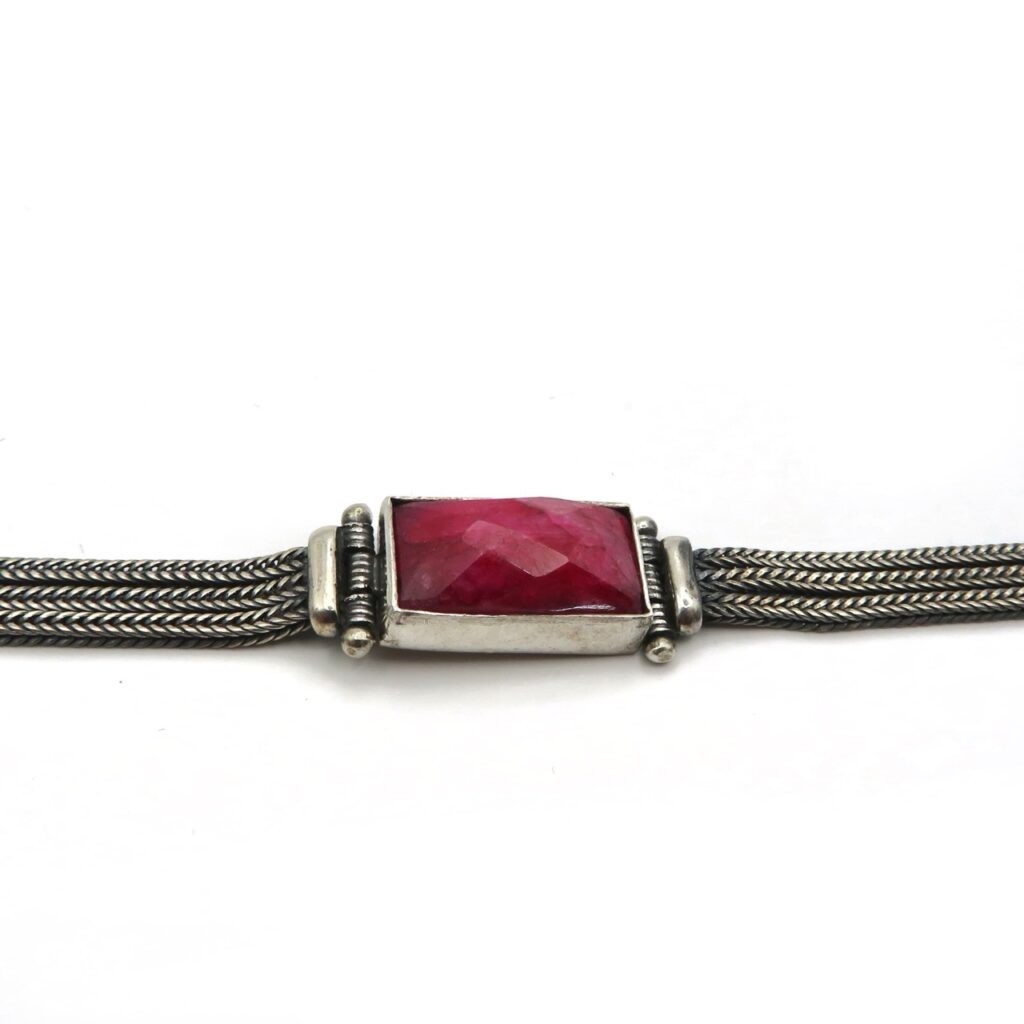
Phoenix Bracelet Crimson
A bolder bracelet combining silver detail with a distinctive crimson accent.
Frequently asked questions
Is 925 silver good quality?
Yes. Sterling silver contains a high proportion of silver while offering more durability than fine silver, making it a well-established choice for jewelry.
Is 925 silver the same as silver plated?
No. Sterling silver describes an alloy with 925 parts silver per 1,000 throughout the silver component. Silver-plated jewelry has a thin silver layer over another base material.
Can 925 silver get wet?
Brief contact with clean water is not usually catastrophic, but repeated exposure to moisture, chlorine, salt water, soaps, and chemicals can accelerate tarnish or affect stones and finishes. Dry the piece thoroughly and follow its care instructions.
Does 925 silver contain nickel?
The 925 number states the silver proportion, not the exact composition of the remaining 7.5%. Copper is common, but alloy recipes vary. If you have a known metal sensitivity, ask the seller for specific material information.
Reference: British Hallmarking Council guidance on hallmarking and precious-metal fineness.
Discover sterling silver with confidence
Explore silver jewelry, meaningful gifts, and personalised creations selected with clear product information and attentive service.